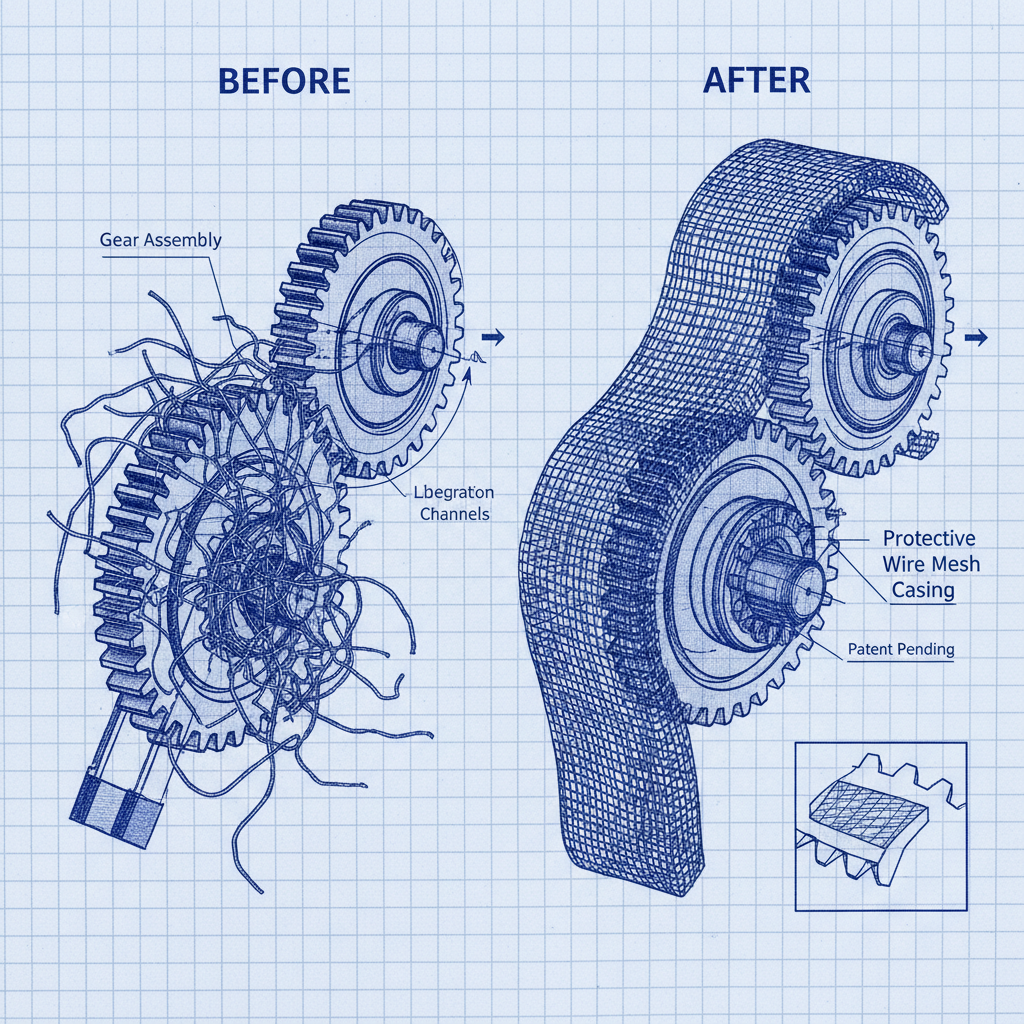
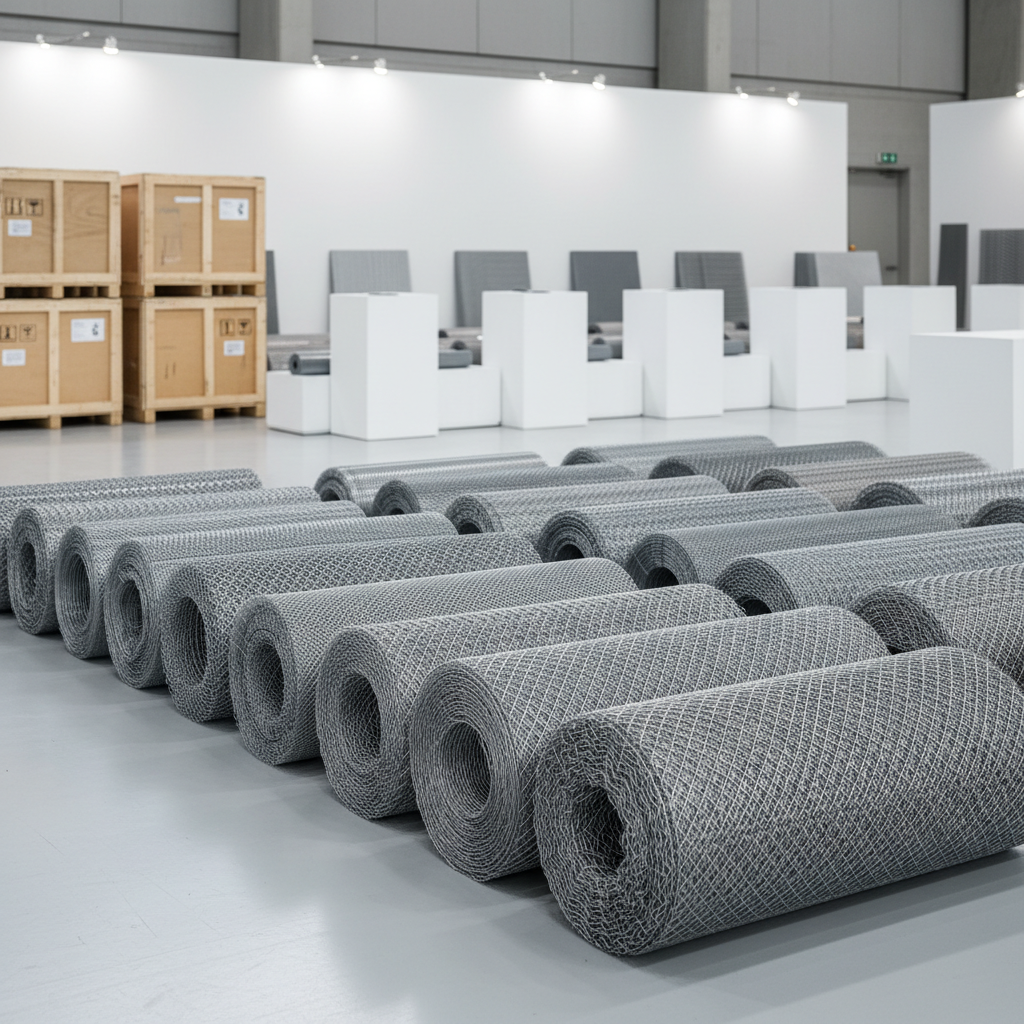
Finding a reliable wire mesh factory is a critical decision for any infrastructure project, as the quality of the perimeter security directly impacts long-term safety and maintenance costs. Whether it is for high-security airport fencing or industrial-grade gabion mesh, the manufacturing process determines the structural integrity and corrosion resistance of the final product.
In today's global market, the role of a specialized wire mesh factory extends beyond simple fabrication; it involves integrating advanced metallurgical science with precision engineering to meet international ISO standards. From 358 3D metal fences to stainless steel woven mesh, the ability to customize aperture size and wire gauge allows industries to solve complex containment and security challenges.
Understanding the operational capacity and technical expertise of a wire mesh factory ensures that procurement managers receive products that are not only cost-effective but also durable enough to withstand extreme environmental conditions. This guide explores the technical nuances, applications, and innovative trends that define modern wire mesh production.
Global Significance of a Wire Mesh Factory
The global demand for secure perimeters and industrial filtration has placed the wire mesh factory at the center of urban and industrial development. With the rise of smart cities and expanded transport hubs, the need for high-security solutions like Airport Fences and Military Barriers has grown exponentially, requiring factories to scale production while maintaining rigorous quality control.
Modern manufacturing hubs now utilize automated welding and precision coating technologies to ensure that products like Zinc Steel Fences and Palisade Fences can survive decades of exposure to salt spray and humidity. This evolution ensures that critical infrastructure remains protected against unauthorized access and environmental degradation.
Core Components of Wire Mesh Production
At the heart of any professional wire mesh factory is the selection of raw materials. High-carbon steel, galvanized iron, and premium stainless steel are the primary inputs. The choice of material dictates whether the final product—such as a Privacy Fence or Stainless Steel Woven Mesh—will be suitable for a coastal environment or a heavy-industrial zone.
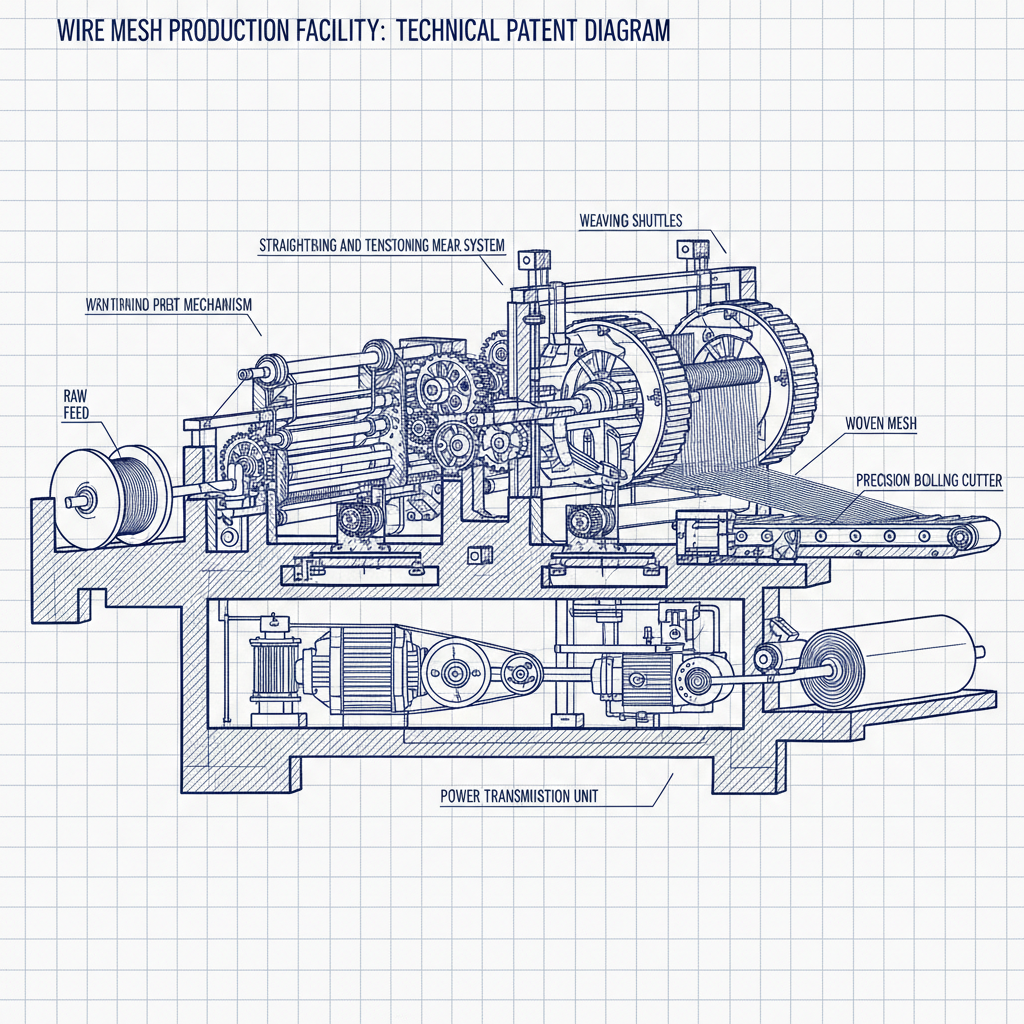
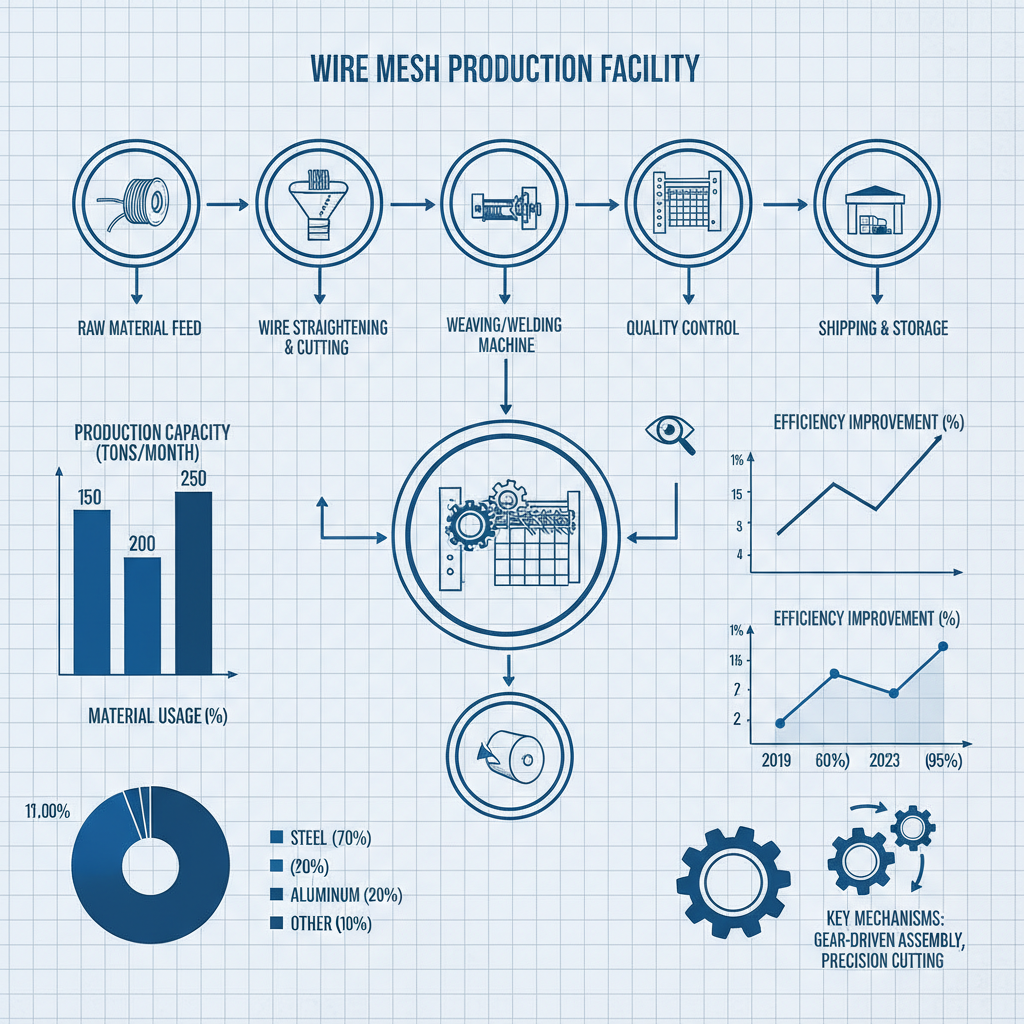
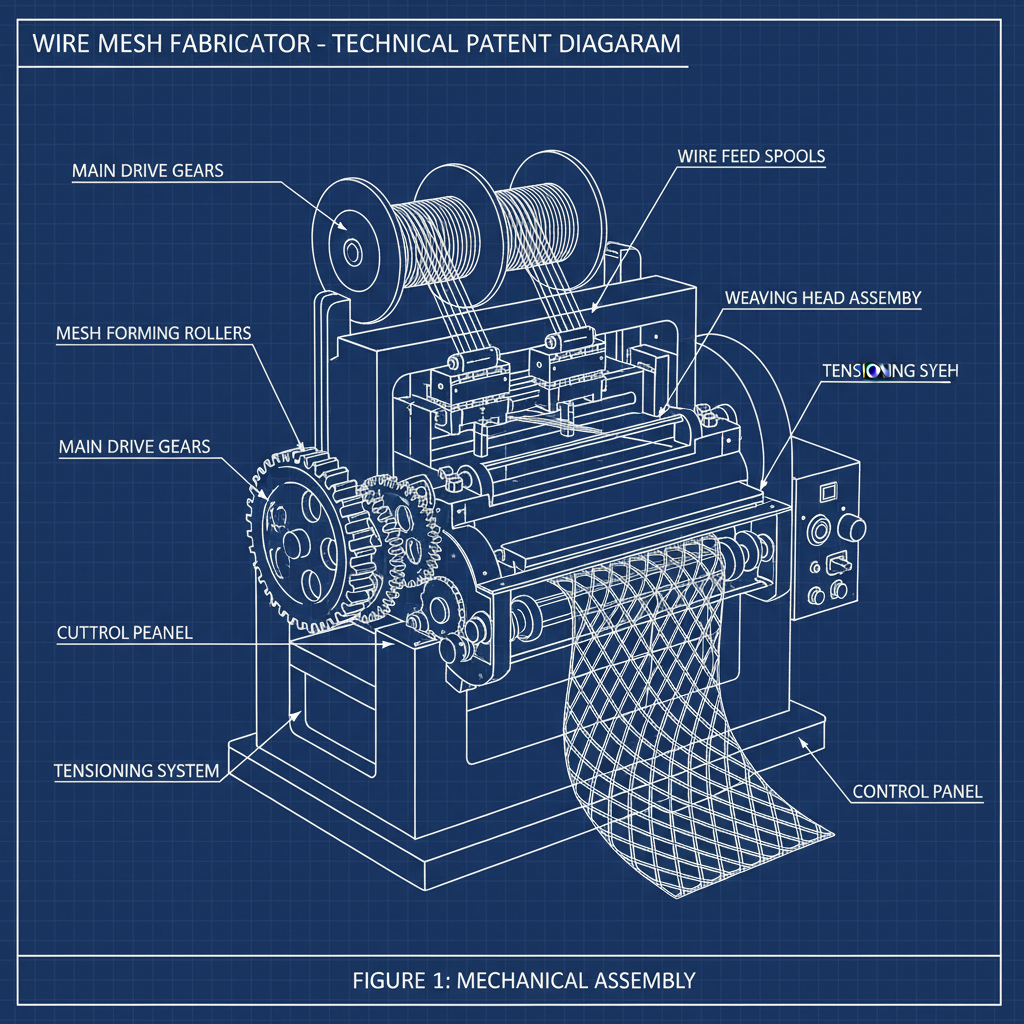
The fabrication process involves several key stages: wire drawing, weaving or welding, and surface treatment. For 3D Metal Fences, the "V-bend" is critical for adding structural rigidity, while for Chain Link Fencing, the consistency of the weave determines the fence's resistance to sagging and breach.
Finally, the coating process—whether it be Hot-Dip Galvanizing or Powder Coating—serves as the primary defense against oxidation. A top-tier wire mesh factory employs multi-stage cleaning and curing ovens to ensure the finish adheres perfectly to the metal, preventing rust and extending the product's lifecycle.
Technical Standards in Wire Mesh Fabrication
To maintain a competitive edge, a wire mesh factory must adhere to strict international standards such as ASTM or EN. These certifications ensure that the tensile strength of a Weld Mesh or the aperture precision of a Geomat meets the safety requirements for civil engineering projects.
Precision is paramount in a wire mesh factory when producing specialized items like Horse Fences or Wire Mesh Containers. Even a millimeter of deviation in wire diameter can lead to structural failure under load, which is why automated CNC machinery is now the industry standard for high-volume production.
Furthermore, quality assurance teams within the factory conduct rigorous salt spray tests and load-bearing simulations. This ensures that when a client orders an Airport Fence, the product can withstand both extreme weather and attempted forced entry without compromise.
Performance Metrics for Industrial Mesh
When evaluating the output of a wire mesh factory, engineers typically look at a combination of tensile strength, corrosion resistance, and installation efficiency. For instance, Temporary Fences must balance stability with the ease of rapid deployment, whereas Military Barriers prioritize sheer strength and impenetrability.
The following data represents a comparison of different production methods utilized in a modern factory to achieve varying performance ratings across key industrial metrics.
Performance Comparison of Wire Mesh Factory Production Methods
Global Applications and Use Cases
The products leaving a wire mesh factory are utilized in a diverse array of global scenarios. In civil engineering, Gabion Mesh is used for slope stabilization and erosion control in mountainous regions, while in urban planning, 358 3D Metal Fences provide a "prison-grade" security solution for government buildings and high-risk sites.
In agricultural sectors, the focus shifts to livestock management, where Horse Fences and customized weld mesh are deployed to ensure animal safety. Meanwhile, the construction industry relies heavily on Temporary Fences to secure worksites, ensuring that public safety is maintained throughout the building process.
Long-Term Value and Sustainability
Investing in products from a high-quality wire mesh factory provides significant long-term economic value. By choosing superior coatings and gauge thicknesses, companies reduce the frequency of replacement cycles and minimize labor costs associated with fence maintenance.
Sustainability has also become a cornerstone of the industry. Many factories now implement steel recycling programs and use eco-friendly, lead-free powder coatings. This not only reduces the carbon footprint of the manufacturing process but also ensures that the products are safer for the environment upon decommissioning.
Beyond the physical product, the reliability of a certified factory builds trust between the manufacturer and the end-user. Knowing that a fence is designed to withstand specific wind loads or impact forces provides peace of mind for security managers and facility owners alike.
Future Innovations in Mesh Technology
The next generation of the wire mesh factory is embracing "Industry 4.0." This includes the integration of IoT sensors within fencing systems to detect breaches in real-time and the use of AI-driven quality inspection to eliminate human error in the welding process.
Material science is also evolving, with the introduction of hybrid alloys that offer the strength of steel with the lightweight properties of aluminum. These new materials allow for the creation of more versatile Aluminum Fencing and high-tensile wire products that are easier to transport and install in remote areas.
As global environmental regulations tighten, we expect a shift toward fully biodegradable Geomats and carbon-neutral production lines, ensuring that the security of tomorrow does not come at the cost of the planet.
Comparative Analysis of Wire Mesh Product Specifications
| Product Type |
Primary Material |
Security Level |
Lifespan (Years) |
| 358 3D Metal Fence |
Galvanized Steel |
Ultra-High |
25+ |
| Chain Link Fence |
Zinc-Coated Steel |
Medium |
15-20 |
| Stainless Steel Mesh |
SS304/SS316 |
High |
40+ |
| Gabion Mesh |
Double-Twisted Steel |
Structural |
30+ |
| Palisade Fence |
Heavy Steel Pale |
High |
25+ |
| Temporary Fence |
Lightweight Steel |
Low |
5-10 |
FAQS
Look for certifications such as ISO 9001, check their raw material sourcing, and ask about their coating processes (e.g., hot-dip galvanizing vs. powder coating). A reputable factory should provide material test reports and a portfolio of completed high-security projects to prove their capacity and quality consistency.
358 mesh is designed to be "anti-climb" and "anti-cut" due to its small apertures and high-tensile wire. If your priority is preventing unauthorized entry in a high-risk area like a data center, airport, or prison, this is the ideal choice over standard chain link options.
Yes, professional factories can customize the mesh size, wire gauge, and panel dimensions. This is particularly important for Gabion mesh used in engineering or Stainless Steel Woven Mesh used for industrial filtration, where precise aperture sizing is critical for functionality.
Galvanizing involves dipping steel in molten zinc to create a chemical bond that prevents rust, making it ideal for harsh environments. Powder coating is a dry powder applied electrostatically and cured under heat, offering a wide range of colors and an extra layer of protection, though it is often applied over a galvanized base for maximum longevity.
Most high-quality temporary fences from a professional factory are designed for multiple uses. They are made from recyclable steel and feature modular components that can be disassembled and reused across different construction sites, significantly reducing waste compared to single-use barriers.
Work with a factory that has an experienced export department. They should handle the necessary logistics, including sea-worthy packaging (to prevent corrosion during transit) and provide all required customs documentation and certificates of origin to ensure a smooth import process.
Conclusion
Selecting the right wire mesh factory is not just about finding the lowest price, but about securing a partnership based on technical precision, material quality, and long-term reliability. From the structural rigidity of 3D metal fences to the versatile utility of gabion mesh, the right manufacturing partner ensures that your security infrastructure is a long-term asset rather than a recurring maintenance burden.
As the industry moves toward smarter, greener, and stronger materials, staying informed about fabrication trends is essential for any project manager. We recommend prioritizing factories that embrace automation and sustainable practices to ensure your perimeter solutions are future-proof. Visit our website: www.bjfencepanel.com for professional guidance and premium wire mesh solutions.