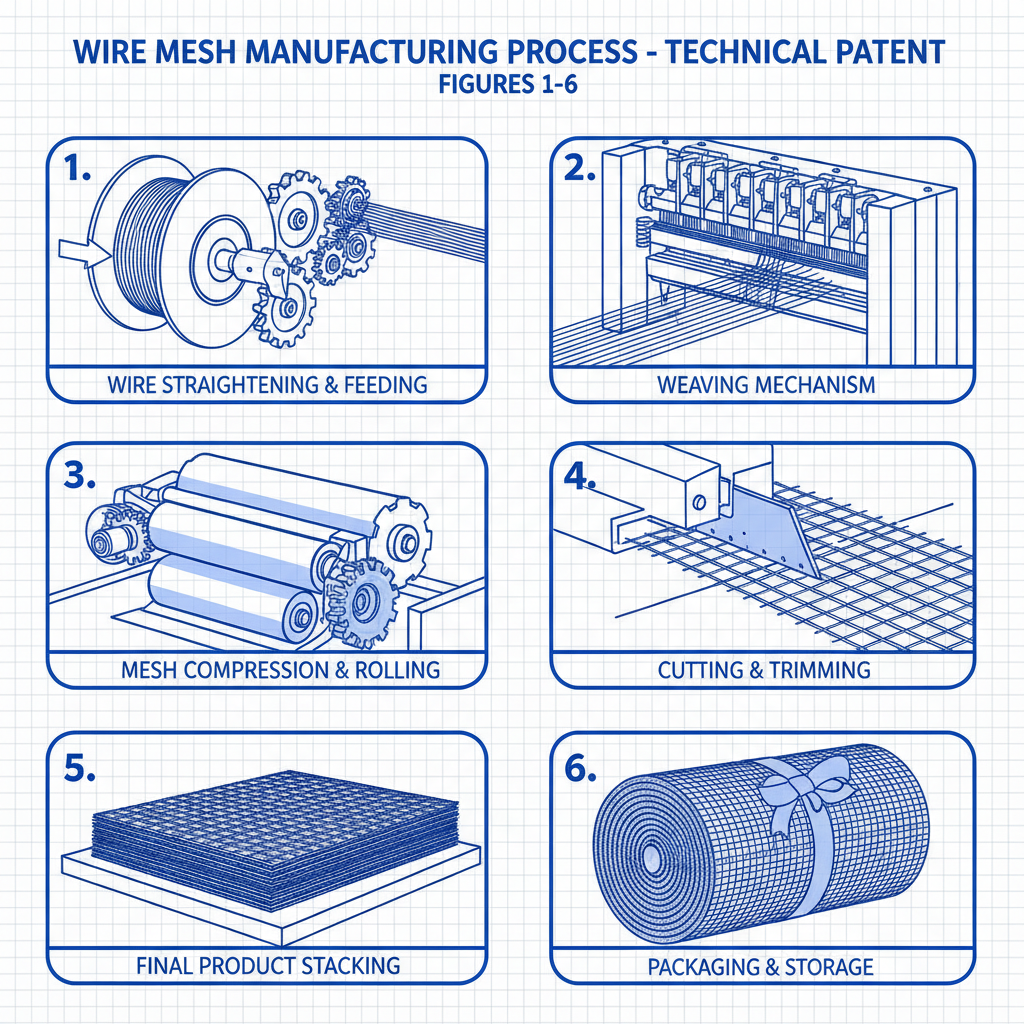
Look, I’ve spent the last fifteen years wading through mud, dodging rebar, and talking shop with the guys actually building things. And let me tell you, when it comes to getting a job done right, on time, and within budget, the foundation – literally and figuratively – is often the quality of the materials. That’s where wire mesh fabricators come in. They’re not just about making fences anymore. They're integral to everything from structural concrete reinforcement to sophisticated architectural features, and frankly, a good fabricator can be the difference between a project that soars and one that’s bogged down in delays and rework.
What I’ve seen over the years is a growing demand for precision and efficiency. Gone are the days of bending rebar by hand. Modern construction needs consistent, accurately formed mesh, and that’s where specialization matters. These aren't just shops cutting and welding; wire mesh fabricators are increasingly acting as extension of the engineering teams, providing solutions for complex designs, and optimizing material usage to minimize waste.
And it’s not just about the big city skyscrapers. From rural infrastructure projects to disaster relief efforts, the demand for reliable, quickly deployable mesh reinforcement is increasing globally. The United Nations, for instance, consistently highlights the need for durable and sustainable construction materials in developing nations, and pre-fabricated mesh solutions fit that bill perfectly. We’re talking about building resilient communities, and that starts with a strong foundation.
The Role of wire mesh fabricators in Modern Construction
Look, I've seen a lot of changes in the construction industry. One thing that remains constant is the need for strong, reliable reinforcement. Wire mesh fabricators aren't just supplying a product; they're supplying peace of mind. They ensure the concrete holds, the structures withstand stress, and the projects stay on schedule. It's a foundational element, and a well-run fabrication shop understands that.
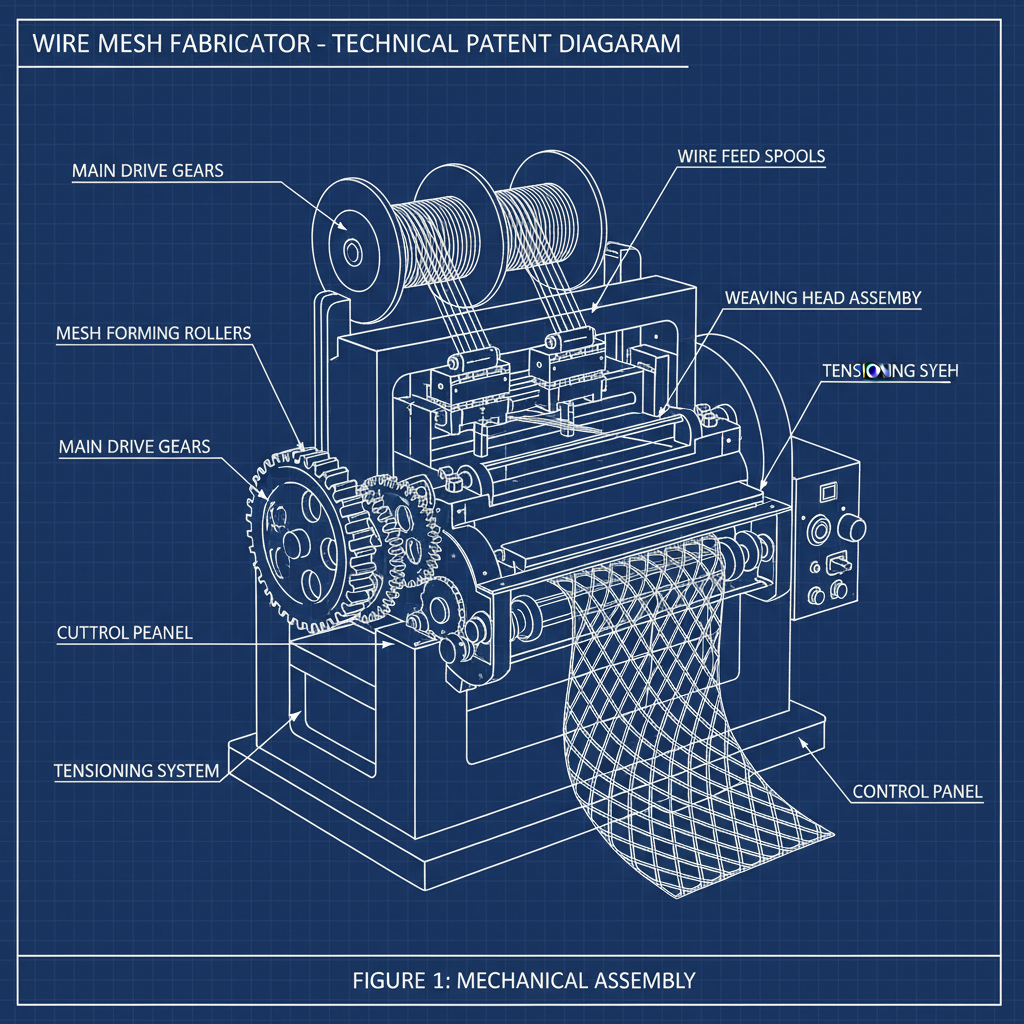
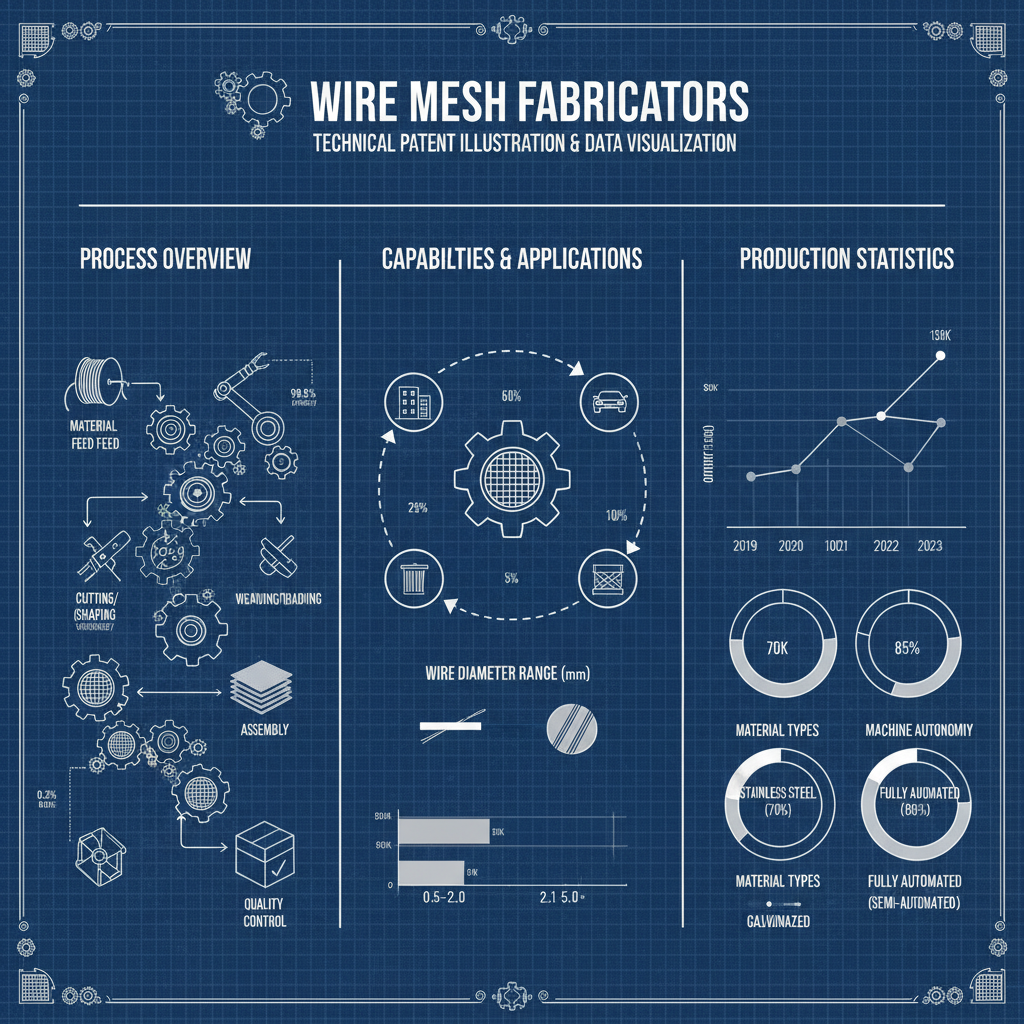
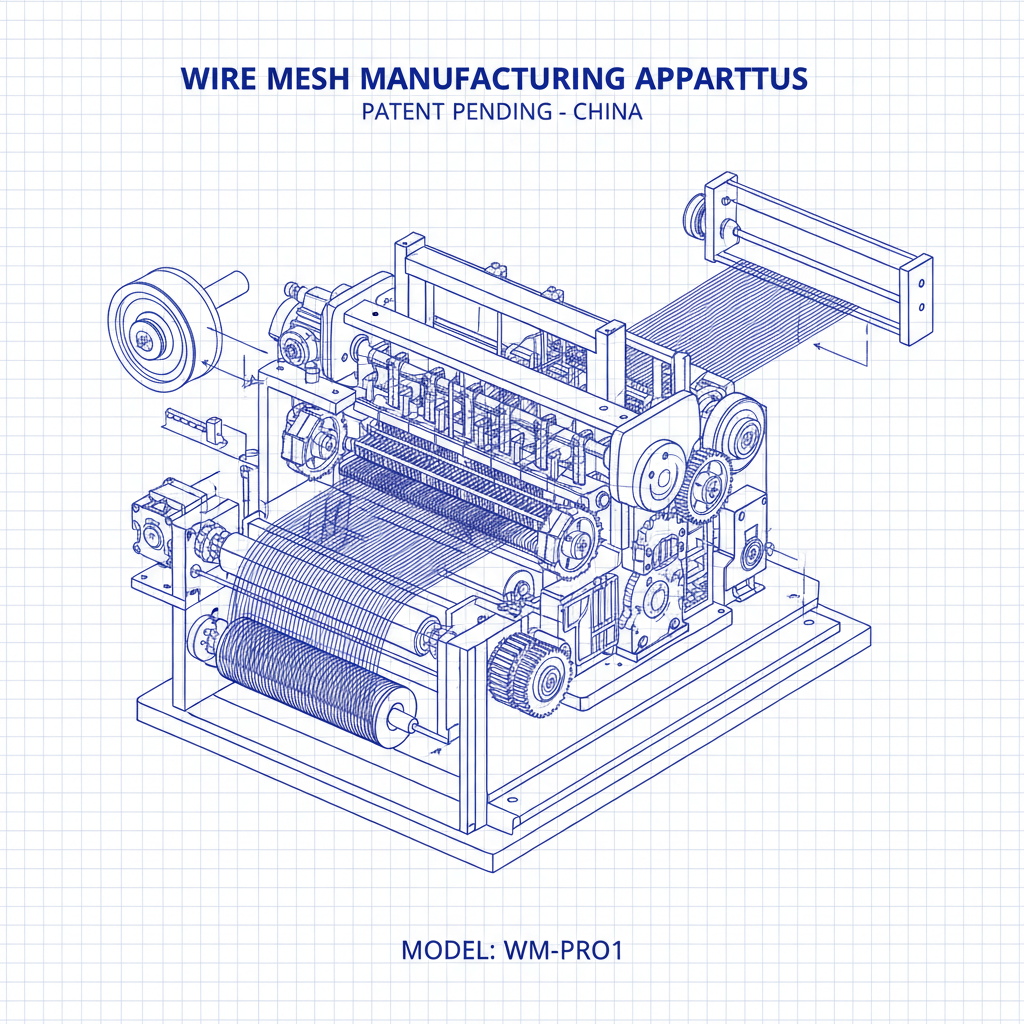
The level of sophistication these fabricators are achieving now is impressive. We're talking about computer-aided design (CAD) and automated welding systems that deliver tolerances we could only dream of a decade ago. This precision reduces on-site adjustments, minimizes material waste, and ultimately saves everyone time and money.
Defining wire mesh fabricators and Their Importance
Simply put, wire mesh fabricators are companies that specialize in the manufacture of welded wire mesh. But it’s more than just welding wires together. They take engineering drawings and transform them into precise, ready-to-install reinforcement solutions. This includes cutting, bending, and assembling the mesh to specific shapes and sizes, often incorporating specialized features like overlaps and hooks.
Their importance lies in their ability to deliver customized solutions efficiently and reliably. General contractors can’t afford to have crews spending days manually fabricating rebar cages. Fabricators take that burden off their shoulders, freeing up skilled labor for other critical tasks.
This isn’t just about convenience. The accuracy and consistency achieved by specialized fabricators directly impact the structural integrity of the final product. In critical applications like bridges and high-rise buildings, that difference can be life-saving.
Key Advantages of Utilizing wire mesh fabricators
Durability is paramount. Properly fabricated mesh, using quality materials and welding techniques, provides exceptional tensile strength and resistance to corrosion. This translates to longer-lasting structures and reduced maintenance costs over the lifespan of the project. I've seen mesh installations that are still performing flawlessly after 30 years, a testament to their inherent resilience.
Scalability is huge, especially on large projects. Wire mesh fabricators can quickly adjust production to meet changing demands, ensuring a consistent supply of materials as the project progresses. Trying to manage that in-house with a general construction crew is a logistical nightmare.
Cost efficiency is often underestimated. While there's an upfront cost, the reduced labor requirements, minimized waste, and faster construction timelines all contribute to significant savings overall. Plus, fewer on-site errors translate to lower rework costs – a major headache for any project manager.
Global Applications and Diverse Use Cases
You see mesh fabrication happening everywhere. In infrastructure, it’s critical for bridge decks, tunnel linings, and highway overpasses. I recently worked on a project in Southeast Asia where pre-fabricated mesh was used for the foundations of a new airport – it sped up construction significantly in a region with limited skilled labor.
It’s also vital in precast concrete plants, where consistent quality and speed are crucial. They use it for wall panels, flooring systems, and even decorative architectural elements. The consistency allows for easier quality control.
Even in disaster relief, wire mesh fabricators are playing a role. Quick-assembly shelters and temporary housing units often utilize mesh reinforcement for structural stability. The speed of deployment is critical in these situations, and pre-fabricated solutions offer a significant advantage.
Efficiency Comparison of wire mesh fabricators Methods
The Long-Term Value and Benefits of wire mesh fabricators
It’s not just about saving money upfront; it’s about building for the future. Using high-quality, properly fabricated mesh significantly extends the lifespan of structures, reducing long-term maintenance and repair costs. That's a huge win for owners and taxpayers.
From a sustainability perspective, minimizing material waste is a major benefit. Wire mesh fabricators, with their precision cutting and bending capabilities, optimize material usage, reducing the environmental impact of construction projects.
Future Trends and Innovations in wire mesh fabrication
We’re starting to see more automation in fabrication shops, with robotic welding and cutting systems increasing efficiency and precision. Digital twin technology – creating virtual replicas of structures – is also gaining traction, allowing fabricators to simulate and optimize mesh designs before they even start production.
There's a growing interest in using recycled materials in mesh fabrication. That's good for the environment, and it can also reduce material costs. We’ll likely see more fabricators offering “green” mesh options in the coming years.
Challenges and Solutions in wire mesh fabrication
One of the biggest challenges is lead time. Complex projects require detailed designs and precise fabrication, which can take time. Fabricators need to invest in advanced software and efficient workflows to minimize turnaround times.
Another challenge is maintaining quality control. Even small errors in fabrication can have significant consequences. Implementing rigorous inspection processes and utilizing advanced testing methods are crucial.
Finally, skilled labor is always a concern. Attracting and retaining qualified welders and fabricators is essential for maintaining high standards. Investing in training programs and offering competitive wages are key to addressing this issue.
Analysis of Common Challenges Faced by wire mesh fabricators
| Challenge Area |
Severity (1-5) |
Impact on Project |
Potential Solutions |
| Lead Time Management |
4 |
Project Delays |
Invest in Automation, Streamline Processes |
| Quality Control |
5 |
Structural Integrity Compromised |
Implement Rigorous Inspection, Utilize NDT |
| Skilled Labor Shortage |
3 |
Reduced Production Capacity |
Training Programs, Competitive Wages |
| Material Cost Fluctuations |
2 |
Budget Overruns |
Long-Term Contracts, Strategic Sourcing |
| Design Complexity |
3 |
Fabrication Errors |
Utilize BIM, Early Collaboration with Engineers |
| Logistics and Transportation |
2 |
Delivery Delays, Damage |
Optimize Route Planning, Secure Packaging |
FAQS
Pre-fabricated mesh offers several advantages. Primarily, it’s a significant time-saver, reducing on-site labor costs and accelerating project timelines. The precision of fabrication ensures consistent quality and minimizes waste. Plus, it improves safety by reducing the amount of manual handling and cutting of rebar on the job site. I’ve seen projects shave weeks off their schedules simply by switching to pre-fab.
Lead times vary depending on the complexity of the project and the fabricator’s current workload, but generally, you should aim to place your order at least 6-8 weeks in advance. For particularly complex designs or large quantities, it’s best to get in touch even earlier to discuss the project and ensure adequate time for fabrication and delivery. Proactive planning is key.
Reputable fabricators will have a robust quality control system in place, including dimensional checks, weld inspections, and material certifications. They should be certified to relevant industry standards, such as ISO 9001. Look for fabricators that utilize non-destructive testing (NDT) methods, like ultrasonic testing, to detect any internal flaws in the welds.
Absolutely. Modern wire mesh fabricators are equipped with CAD/CAM technology that allows them to create mesh to virtually any shape or size. They can accommodate curves, angles, and even intricate patterns. Providing a clear and detailed engineering drawing is essential for accurate fabrication.
The most common type of steel used is carbon steel, specifically Grade 60 rebar. However, other steel alloys, such as stainless steel or epoxy-coated rebar, are used in specialized applications where corrosion resistance is critical. The choice of steel depends on the specific project requirements and environmental conditions.
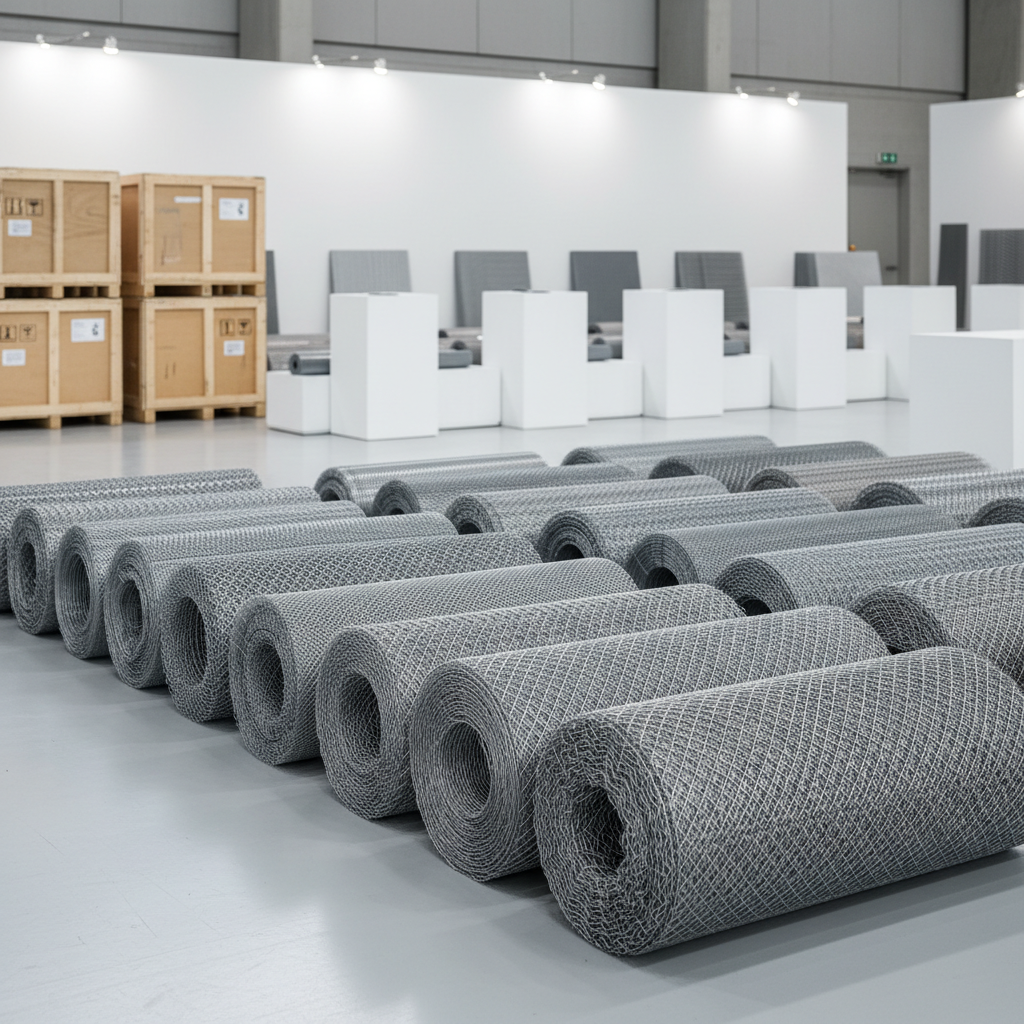
Fabricators typically protect mesh during transport by bundling it securely and wrapping it in weather-resistant materials, like plastic sheeting or burlap. For storage, it's important to keep the mesh dry and protected from the elements to prevent corrosion. Elevating the mesh off the ground is also recommended to prevent moisture damage.
Conclusion
From the foundations of skyscrapers to the reinforcement of critical infrastructure, wire mesh fabricators are playing an increasingly vital role in modern construction. Their ability to deliver precision, efficiency, and durability is essential for building a more resilient and sustainable future. Investing in quality fabrication isn't just about saving money; it's about building structures that will stand the test of time.
As technology continues to advance, we’ll see even more innovation in this field – from automated fabrication processes to the use of sustainable materials. Staying ahead of these trends and partnering with a reliable, forward-thinking fabricator is crucial for any construction project. If you're looking for a partner who understands the demands of the job site, and delivers consistent, high-quality results, I recommend visiting www.bjfencepanel.com to learn more.