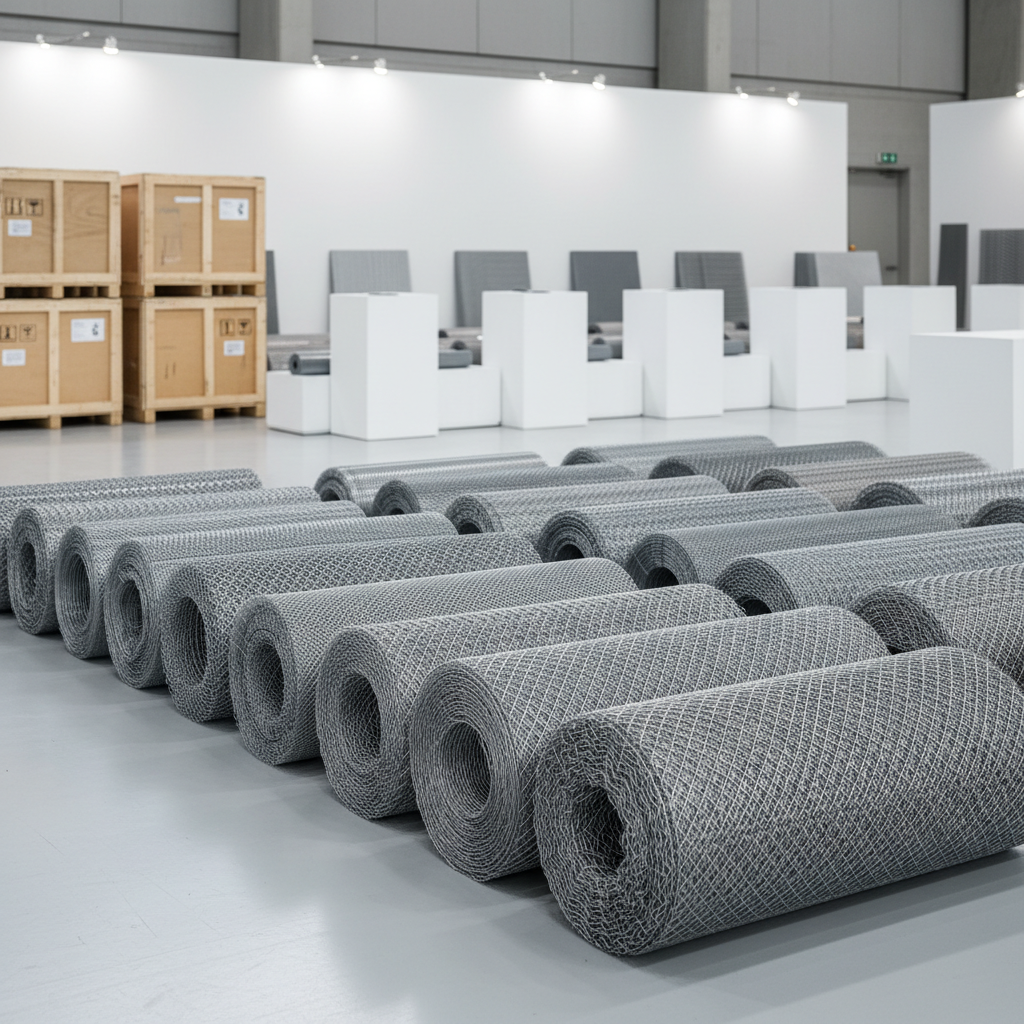
Selecting the right wire mesh suppliers is a critical decision for any industrial or commercial project, as the integrity of your perimeter security and structural reinforcement depends entirely on the quality of the raw materials. From high-security airport fences to intricate stainless steel woven mesh, the variability in gauge, coating, and weaving techniques can mean the difference between a facility that lasts decades and one that succumbs to corrosion within years.
In today's globalized market, the role of wire mesh suppliers has evolved from simple manufacturing to providing engineered solutions. Whether you are dealing with the harsh saline environments of coastal regions or the rigorous security requirements of military barriers, understanding the technical capabilities of your supplier ensures that the chosen product—be it 3D metal fencing or gabion mesh—meets international ISO standards for tensile strength and durability.
Ultimately, the value provided by professional wire mesh suppliers extends beyond the product itself; it encompasses technical consultation, logistical efficiency, and the assurance of material traceability. By partnering with experts who understand the nuances of zinc-steel alloys and PVC coatings, businesses can optimize their infrastructure costs while maximizing the longevity and safety of their physical assets.
Global Context of Wire Mesh Suppliers
The global demand for secure fencing and industrial filtration has placed wire mesh suppliers at the center of urban development and national security infrastructure. With the rapid expansion of logistics hubs and the increasing need for critical infrastructure protection, the industry has seen a shift toward specialized materials that can withstand extreme climatic conditions and sophisticated breach attempts.
Statistically, the global metal products market continues to grow, driven by ISO-certified manufacturing processes that ensure consistency across millions of linear meters of fencing. The primary challenge facing the industry today is the balance between cost-efficiency and the stringent requirements for anti-corrosion and high-tensile strength, necessitating a deeper collaboration between engineers and suppliers.
Defining the Role of Wire Mesh Suppliers
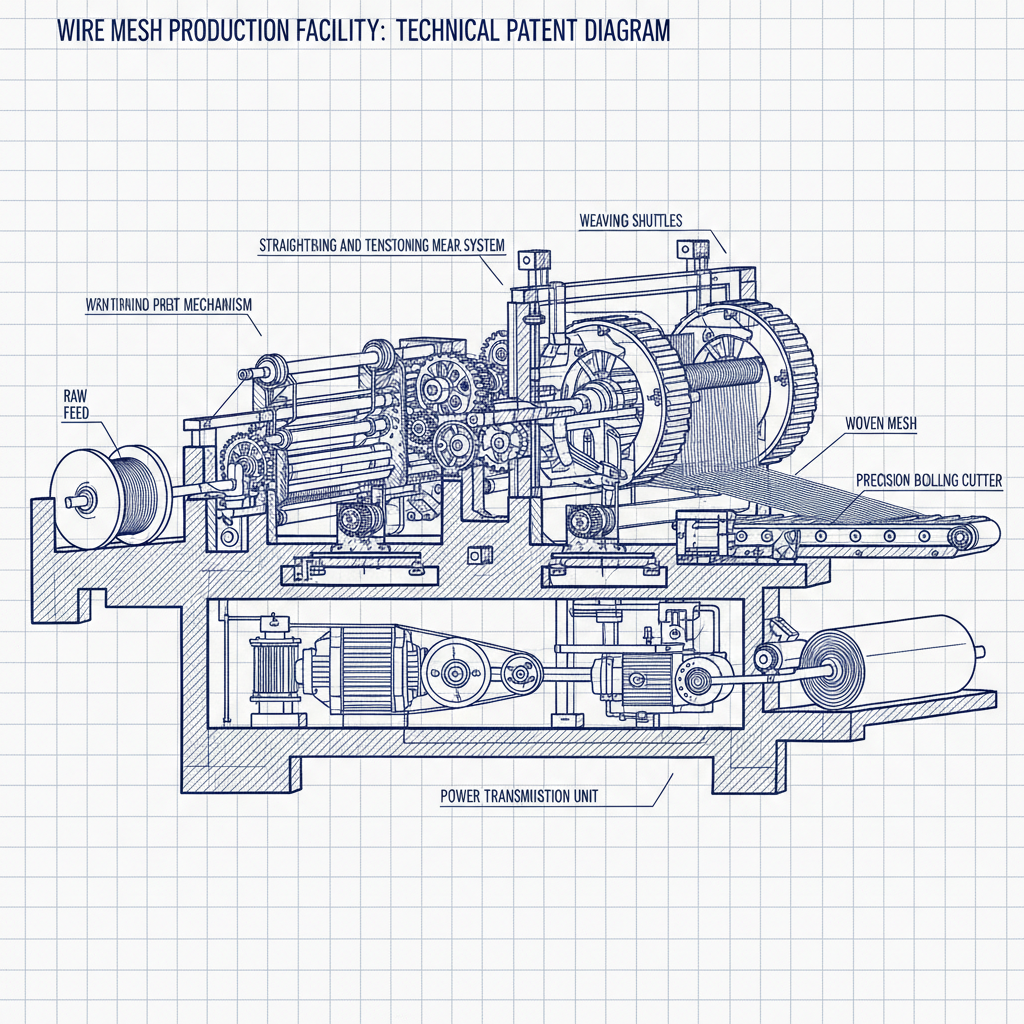
At their core, wire mesh suppliers are specialized manufacturers and distributors that transform raw metal wires—typically steel, aluminum, or stainless steel—into structured grids through welding, weaving, or knitting. These entities do not merely sell "wire"; they provide engineered barriers and filters designed for specific mechanical properties, such as aperture size, wire diameter, and coating thickness.
In the modern industrial landscape, these suppliers bridge the gap between raw metallurgy and practical application. For instance, the production of 358 3D Metal Fences requires precise automated welding to eliminate climbable footholds, a technical feat that distinguishes a professional supplier from a generic metal shop.
Beyond commercial utility, wire mesh suppliers often contribute to humanitarian and environmental efforts. Gabion mesh, for example, is widely used in erosion control and flood defense systems worldwide, demonstrating how simple metal grids can be leveraged to protect entire communities from natural disasters.
Core Components of High-Quality Mesh Production
Durability is the cornerstone of any product delivered by reputable wire mesh suppliers. This is achieved through advanced galvanization processes—such as hot-dip galvanizing—which create a metallurgical bond between the zinc and the steel, preventing rust and ensuring the structure remains intact for decades.
Material Versatility allows suppliers to cater to diverse needs, ranging from the lightweight flexibility of chain link fences for residential use to the immense rigidity of Palisade fencing for high-security industrial zones. The ability to pivot between stainless steel for chemical resistance and aluminum for aesthetic appeal is a hallmark of a top-tier provider.
Precision Engineering ensures that the mesh aperture remains consistent across the entire batch. In applications like military barriers or privacy fences, a deviation of even a few millimeters in the weld point can compromise the overall strength and security of the installation.
Global Applications and Use Cases
The application of products from wire mesh suppliers spans every continent, from the high-security perimeters of international airports using specialized Airport Fencing to the agricultural heartlands where horse fences are essential for livestock management. In Europe and North America, there is a strong lean toward privacy fences and aesthetic aluminum fencing for urban residential areas.
In more rugged environments, such as remote mining sites in Australia or oil refineries in the Middle East, the focus shifts to heavy-duty weld mesh and military barriers. These installations must resist not only physical intrusion but also extreme thermal expansion and contraction, proving the necessity of high-grade alloy selection.
Comparative Performance of Mesh Types from Wire Mesh Suppliers
Long-Term Value and Strategic Advantages
Investing in high-quality materials from established wire mesh suppliers translates directly into lower lifecycle costs. While budget-grade fencing may seem attractive initially, the expense of replacing rusted panels or repairing breached sections far outweighs the initial premium paid for hot-dip galvanized or powder-coated solutions.
Beyond the financial aspect, there is a profound psychological value in security. Whether it is a privacy fence providing peace of mind for a homeowner or a military barrier securing a strategic asset, the reliability of the mesh creates a sense of safety and stability. Innovation in "anti-climb" and "anti-cut" technologies further enhances this value, making modern mesh an active deterrent rather than a passive boundary.
Future Trends in Mesh Technology
The future of wire mesh suppliers is being shaped by the "Green Industry" movement. We are seeing a surge in the use of recycled steel and the development of eco-friendly coatings that reduce the release of volatile organic compounds (VOCs) during the manufacturing process, aligning industrial growth with global sustainability goals.
Digital transformation is also hitting the factory floor. Automation and AI-driven quality control now allow suppliers to detect microscopic weld defects in real-time, ensuring that every panel of 3D metal fence is structurally identical. This level of precision reduces material waste and increases the speed of production.
Furthermore, the integration of "Smart Fencing" is on the horizon. By embedding sensors within the mesh structure, future installations will be able to alert security personnel to a breach the moment the wire is cut or tensioned, transforming traditional wire mesh into an intelligent security network.
Overcoming Common Sourcing Challenges
One of the most significant hurdles when dealing with wire mesh suppliers is the "specification gap," where the ordered product does not meet the actual environmental needs of the site. To solve this, professional suppliers now offer comprehensive site assessments and technical data sheets that match specific alloys to local corrosion categories (C1 to C5).
Logistical complexities, particularly for bulky items like wire mesh containers or heavy gabions, often lead to increased costs and project delays. Leading suppliers are overcoming this by optimizing packaging and offering "kit" solutions where all posts, panels, and fasteners are pre-sorted, reducing on-site installation time and labor costs.
Finally, the challenge of authenticity and grade verification is solved through third-party certifications. By demanding Mill Test Certificates (MTC) and adhering to ASTM or EN standards, buyers can ensure that the "stainless steel" they are paying for is truly the grade required for their specific industrial application.
Technical Analysis of Mesh Material Suitability
| Mesh Type |
Primary Material |
Corrosion Resistance |
Security Level |
| 358 3D Fence |
Galvanized Steel |
High (Zinc Coated) |
Ultra-High |
| Gabion Mesh |
PVC Coated Steel |
Excellent |
Medium |
| Woven Mesh |
Stainless Steel |
Superior |
Medium |
| Palisade Fence |
Steel Alloy |
High |
Maximum |
| Chain Link |
Galvanized Wire |
Moderate |
Low-Medium |
| Aluminum Fence |
Aluminum Alloy |
Very High |
Low-Medium |
FAQS
When sourcing for high-security areas, look for suppliers that specialize in "anti-climb" and "anti-cut" technology, such as 358 mesh. Ensure they provide certifications for tensile strength and use hot-dip galvanization to prevent structural weakening via rust. Ask for case studies of similar airport or military installations they have supplied.
It depends on the environment. Stainless steel is superior for chemical plants or saltwater environments due to its inherent chromium oxide layer. However, for general perimeter security, galvanized steel provided by expert wire mesh suppliers is more cost-effective and offers sufficient durability for most land-based projects.
Yes, gabion mesh is designed specifically for this. By filling the wire cages with stone, it creates a permeable yet heavy structure that manages hydrostatic pressure better than solid concrete. Ensure your supplier provides heavy-gauge, PVC-coated wire to prevent the baskets from degrading over time.
A high-quality PVC-coated fence from reputable wire mesh suppliers typically lasts 20 to 30 years. The PVC layer acts as a secondary barrier over the galvanized steel, protecting it from UV rays and moisture. Maintenance is minimal, usually involving occasional cleaning to remove debris.
Request a Mill Test Certificate (MTC) and a sample piece of the mesh. You can verify the gauge using a digital micrometer. Professional suppliers will be transparent about their wire diameters and coating thicknesses and will often provide third-party inspection reports (SGS or Intertek) upon request.
Yes, temporary fencing is designed for rapid deployment and retrieval. High-quality temporary panels are made from galvanized steel and feature interlocking clamps, making them highly reusable across multiple construction sites. Investing in a durable supplier reduces the long-term cost of temporary site security.
Conclusion
In summary, the selection of wire mesh suppliers is not merely a procurement task but a strategic decision that impacts the safety, longevity, and cost-efficiency of an infrastructure project. By focusing on core components like material grade, coating quality, and precision engineering, businesses can secure their assets with confidence, whether using 3D metal fences for security or gabions for environmental protection.
Looking forward, the integration of sustainable materials and smart sensing technology will redefine the industry. We recommend that project managers move toward a partnership-based approach with their suppliers, emphasizing technical transparency and long-term material performance over the lowest initial bid. For world-class fencing and mesh solutions, visit our website: www.bjfencepanel.com.