How to Install Sheet Metal Along Bottom of Fence for Protection
Apr . 16, 2026 02:45 Back to list
How to Install Sheet Metal Along Bottom of Fence for Protection
Installing Sheet Metal Along Bottom of Fence: The Ultimate Guide
Whether you are dealing with persistent pests, aggressive landscaping equipment, or the natural wear and tear of soil erosion, adding sheet metal along bottom of fence is one of the most effective ways to fortify your perimeter. This strategic addition creates a physical barrier that prevents animals from digging underneath and protects the fence structure from moisture and mechanical damage. In this comprehensive guide, we will explore the best materials to use, installation techniques, and why this simple modification can significantly extend the lifespan of your fencing system.
Why Use Sheet Metal Along Bottom of Fence?
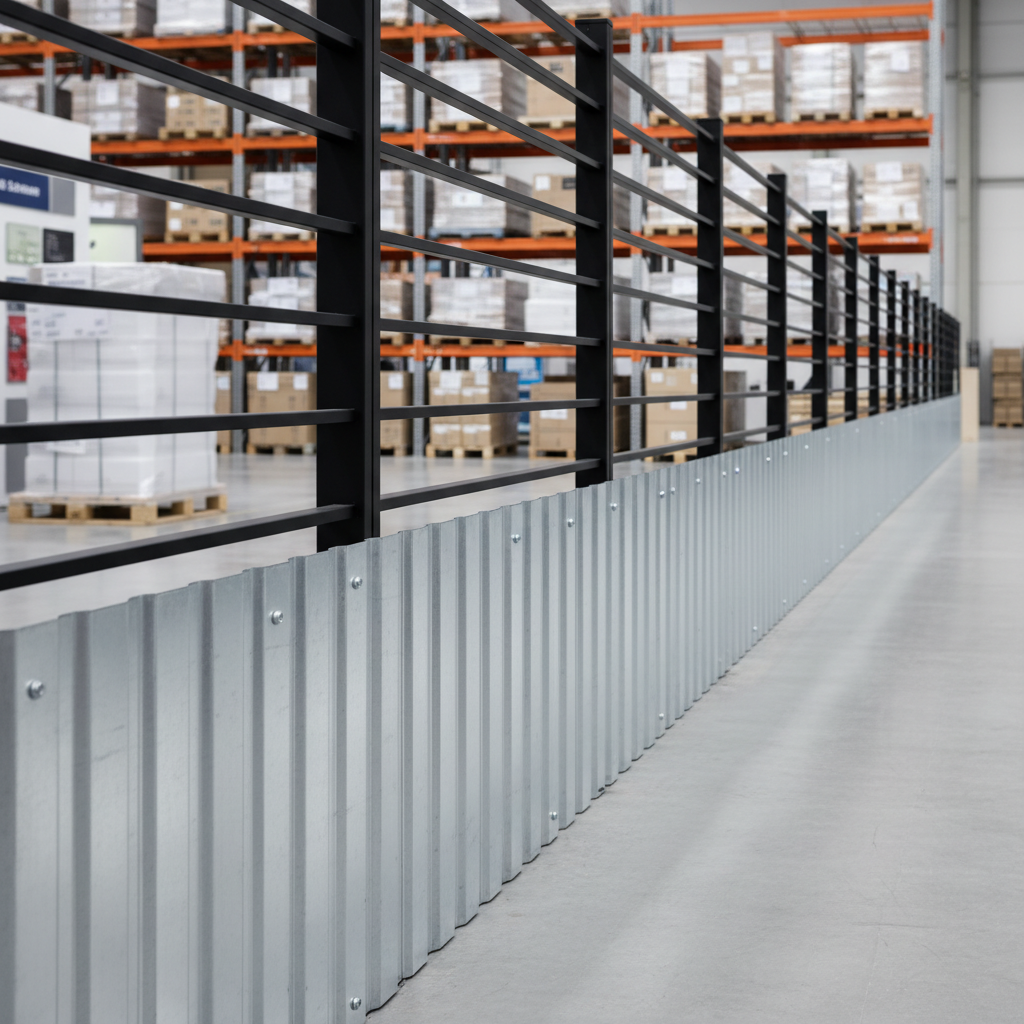
Installing sheet metal along bottom of fence serves several critical purposes. First, it acts as a deterrent for burrowing animals like dogs, rabbits, or groundhogs who would otherwise find a gap at the ground level. Second, it protects the bottom rails of wooden or vinyl fences from "splash-back" moisture and rot caused by rain hitting the soil. For industrial properties, it prevents weed growth from pushing through the fence line, reducing maintenance costs. By creating a seamless transition between the fence and the earth, you ensure a cleaner, more secure environment.
Pro Tip: Always ensure the metal is slightly embedded into the ground (roughly 2-4 inches) to ensure that animals cannot simply push the sheet aside to gain entry.
Choosing the Right Material for Your Fence Guard
Not all metals are created equal. When selecting sheet metal along bottom of fence, you must consider the environment. Galvanized steel is a popular choice due to its strength and rust resistance, while aluminum is ideal for coastal areas where salt air can corrode standard steel. For those seeking a more discreet look, powder-coated finishes can match the color of the fence. The thickness (gauge) of the metal also determines how well it resists bending under pressure from soil or animals.
Material Comparison Highlights:
• Galvanized Steel: High strength, cost-effective, excellent for heavy-duty animal deterrence.
• Aluminum: Lightweight, superior corrosion resistance, easy to cut and install.
• Stainless Steel: Maximum durability and aesthetics, highest price point.
Comparing Metal Types for Sheet Metal Along Bottom of Fence
To help you make an informed decision, we have compiled a comparison table of the most common metals used for fence bases. Selecting the right material depends on your budget, the local climate, and the specific threat (e.g., rodents vs. large dogs). High-quality sheet metal along bottom of fence from a professional supplier ensures that the coating is consistent and the edges are safely finished.
Step-by-Step Installation Process
Installing sheet metal along bottom of fence does not require professional machinery, but it does require precision. First, clear the bottom edge of your fence of any debris or large rocks. Measure the total length of the fence line and cut your metal sheets to fit, allowing for a small overlap at the joints to prevent gaps. Use heavy-duty fence staples or self-tapping screws to secure the metal to the bottom rail. Finally, use a spade to create a narrow trench and tuck the bottom edge of the metal into the soil, then pack the dirt firmly around it to lock it in place.
Technical Specifications for Fence Base Metals
When ordering from a supplier like Bangjun Mesh, it is important to understand the technical specifications of the sheet metal along bottom of fence. The gauge (thickness) and the coating weight determine how the material will react to soil acidity and physical impact. For most residential and commercial needs, a gauge between 18 and 22 is sufficient. Below is a specification table for standard industrial fence guards:
Conclusion: Strengthening Your Perimeter
Adding sheet metal along bottom of fence is a proactive investment in your property's security and longevity. By preventing animal intrusions and protecting the fence structure from environmental decay, you save on long-term repair costs and enjoy peace of mind. Whether you choose the strength of galvanized steel or the corrosion resistance of aluminum, the key is a proper installation and the use of high-grade materials. Visit Bangjun Mesh today to find the perfect metal solutions for your fencing needs.
Frequently Asked Questions (FAQs)
Will the sheet metal rust over time when buried in soil?
If you use untreated mild steel, it will rust quickly. However, when using hot-dip galvanized steel or aluminum, the materials are specifically treated to withstand moisture and soil acidity. Galvanized steel has a zinc coating that acts as a sacrificial anode, preventing the base steel from corroding. For extreme environments, such as salt-heavy coastal soils, we highly recommend aluminum or stainless steel to ensure the barrier remains intact for decades without needing replacement.
Can I install sheet metal along the bottom of a wooden fence without causing rot?
Yes, provided you install it correctly. The goal is to protect the wood from ground moisture. To prevent moisture from becoming trapped between the metal and the wood, ensure the metal is slightly offset or use a moisture barrier. The sheet metal actually helps by diverting rainwater away from the bottom rail and prevents soil from leaning directly against the wood. By keeping the bottom of the fence "dryer" and protected from pests, you are actually reducing the risk of rot compared to a standard wooden fence base.
How deep should I bury the metal to stop digging animals?
For most common garden pests like rabbits or small dogs, burying the metal 2 to 4 inches (5-10 cm) deep is sufficient. However, for more persistent burrowers like groundhogs or foxes, you may want to bury it 6 to 12 inches deep or install it in an "L-shape" where the metal bends outward away from the fence before going down. This creates a psychological and physical barrier that animals cannot easily bypass. Using a sturdy gauge of sheet metal along bottom of fence ensures the animal cannot simply push the metal upward.
Is it difficult to cut the sheet metal for the installation?
Cutting the metal is straightforward with the right tools. Aluminum and thinner galvanized steel can be cut using heavy-duty aviation shears (tin snips). For thicker gauges, an angle grinder with a metal-cutting disc is the most efficient tool. The most important part of the cutting process is the "finishing"—always use a metal file or sandpaper to smooth down the sharp edges after cutting. This prevents injury to yourself, your pets, or anyone walking near the fence line.
-
High Quality Sheet Fence Panels for Secure Boundary Protection
NewsApr.09,2026
-
Comprehensive Guide to Metal Furring Fence Systems and Applications
NewsApr.07,2026
-
Elevate Outdoor Aesthetics with Durable Decorative Metal Sheets Outdoor
NewsApr.04,2026
-
Australian Client Case Study: Vinyl Ranch Rail Fence Project
NewsJan.13,2026
-
Welded wire fabric hot dip galvanizing
NewsDec.18,2025
products.