The global demand for structural security and perimeter demarcation is shifting toward high-durability metal solutions, leading many procurement managers to rigorously evaluate wrought iron railing suppliers. While traditional aesthetics remain a priority, the current industry trend emphasizes the integration of structural stability with corrosion resistance to reduce long-term maintenance overheads in both residential and commercial infrastructure.
This shift is driven by a need for materials that can withstand extreme environmental stress without compromising safety or visual integrity. The technical challenge lies in balancing the heavy-duty nature of steel reinforcement with the precision required for decorative architectural elements, creating a gap between generic fencing and specialized structural railing systems.
This analysis explores the engineering criteria for selecting high-performance railing systems, comparing traditional wrought iron approaches with modern welded wire mesh technologies to determine the most cost-effective and durable deployment strategies for contemporary construction projects.


The core of any railing system lies in its material composition and the bonding method used to ensure structural rigidity. Modern fabrication leverages a variety of steel types, including cold-rolled ribbed and hot-rolled ribbed steel, to achieve different load-bearing capacities.
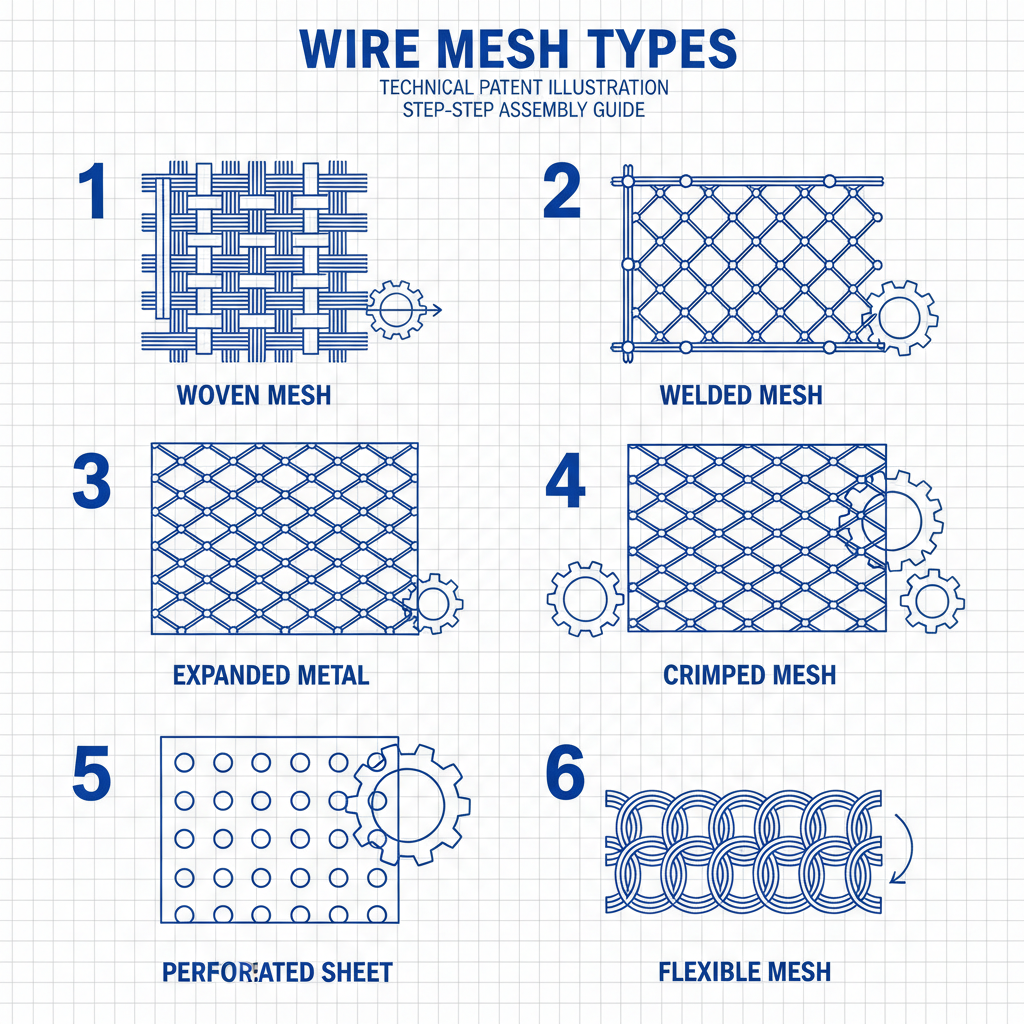
In high-stress environments, the use of welded constructions—where longitudinal and transverse bars are fused at right angles—creates a stable grid that prevents deformation under pressure. This is critical for railings that serve as primary safety barriers in industrial zones or public walkways.
Selecting the right railing involves analyzing the relationship between wire gauge, weld strength, and the anticipated load. For industrial-grade applications, the priority is the resistance to crack propagation in the concrete foundations where the railings are anchored. Using ribbed welded steel mesh provides a superior mechanical bond with concrete compared to smooth surface materials.
The precision of the weld at every intersection determines the overall stability of the panel. High-quality fabrication ensures that there is no displacement in the grid pattern, which directly impacts the aesthetic uniformity and the structural integrity of the fence. This precision is what distinguishes professional manufacturers from low-cost alternatives.
Furthermore, the versatility of the material—its ability to be cut, bent, and shaped without losing its tensile strength—allows engineers to adapt the system to complex site topologies. This adaptability is essential for projects involving irregular terrain or specialized architectural requirements.
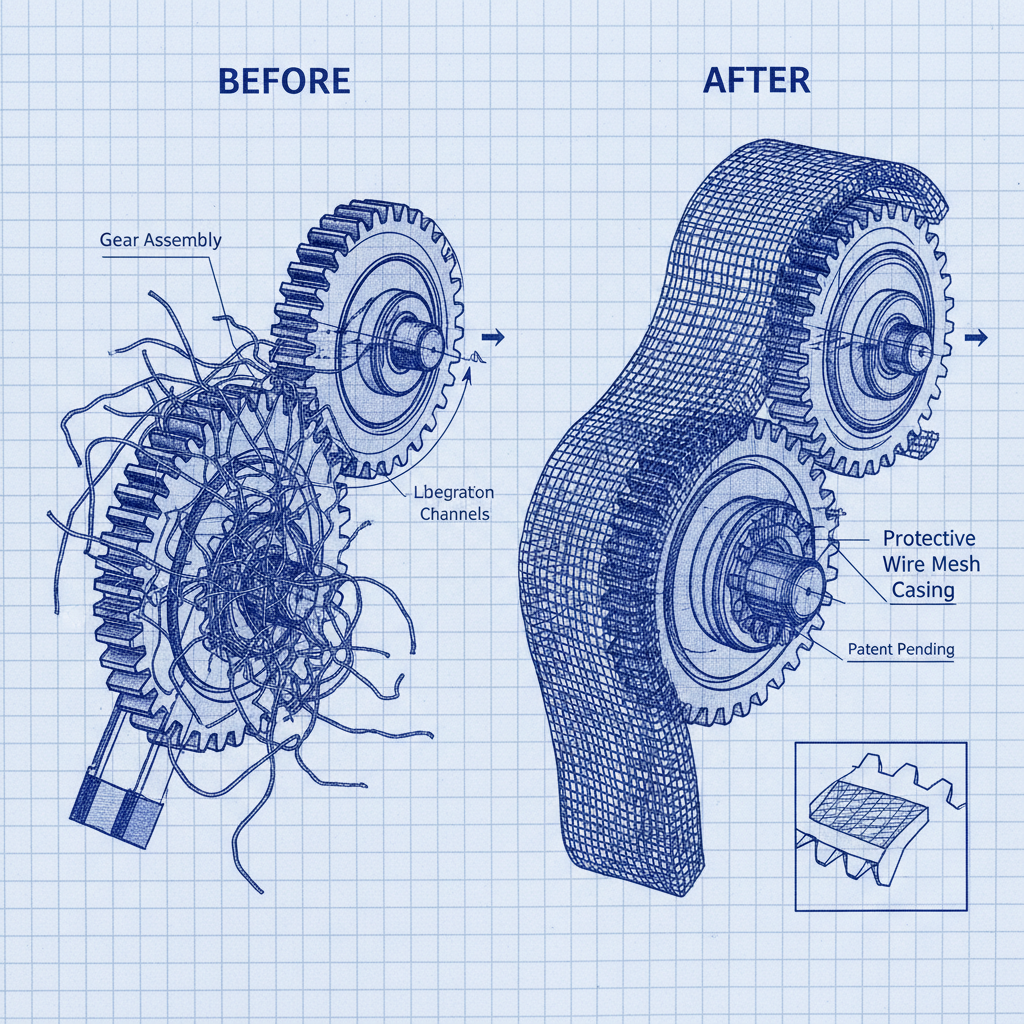
Traditional wrought iron is often praised for its ornate qualities, but it can be prone to corrosion if not meticulously maintained. In contrast, modern welded steel rebar mesh panels offer a pragmatic approach to strength and stability, particularly when used as reinforcement in concrete slabs or as standalone security barriers.
From an economic perspective, the durability and low maintenance requirements of welded steel systems provide a lower total cost of ownership. This makes them a preferred choice for large-scale infrastructure projects where the cost of frequent repairs to traditional iron railings would be prohibitive.
When evaluating the performance of various railing configurations, engineers often use a normalized scoring system to compare attributes such as load-bearing capacity, corrosion resistance, and installation efficiency. These metrics provide a clear framework for deciding which material best suits a specific environmental or safety requirement.
The following data represents a relative engineering assessment of different metal barrier categories. This allows buyers to visualize the trade-offs between traditional decorative styles and high-strength industrial configurations.
In a typical engineering scenario, the choice of railing depends heavily on the intended function. For concrete reinforcement in foundations and walls, steel rebar welded wire mesh panels are indispensable due to their ability to enhance crack resistance and structural longevity. In these cases, the railing is not just a boundary but a critical component of the building's load-bearing architecture.
For perimeter security, such as airport or military barriers, the focus shifts toward anti-climb properties and impact resistance. The integration of high-tensile weld mesh allows for a balance between visibility and security, providing a robust deterrent that can be quickly deployed across vast areas without requiring extensive custom fabrication on-site.
The industry is moving toward increased automation in the welding process. The adoption of laser automatic welding machines and heavy-duty hot melt resistance welding equipment is enabling manufacturers to produce panels with higher precision and stronger joints. This reduction in manual labor not only lowers costs but also eliminates the variability associated with human craftsmanship.
There is also a growing emphasis on sustainable coatings and alloys that reduce the environmental impact of galvanization while maintaining high levels of corrosion protection. The goal is to extend the service life of railing systems to 25-50 years with minimal chemical intervention, aligning with global green building standards.
Furthermore, the integration of "smart" sensing elements into perimeter fencing is an emerging R&D direction. By embedding fiber-optic or capacitive sensors into the mesh structure, industrial sites can monitor breach attempts in real-time, transforming a passive physical barrier into an active security asset.
For procurement officers, the challenge is to differentiate between suppliers who offer generic products and those who provide engineered solutions. A critical part of the evaluation process involves reviewing certifications such as ISO9001 and CE, which ensure that the production process adheres to international quality and safety standards.
Buyers should focus on the raw material source—specifically whether the steel is cold-rolled or hot-rolled—as this significantly affects the final product's strength and ductility. A comprehensive technical data sheet should always be requested to verify the weld strength and the coating thickness of the panels.
The following matrix provides a selection framework based on different project priorities, helping buyers align their technical requirements with the appropriate metal railing configuration.
| Configuration Type | Primary Material | Key Performance Factor | Recommended Use Case |
|---|---|---|---|
| Basic Configuration | Cold-Drawn Round Steel | Cost Efficiency | Residential Fencing |
| Standard Configuration | Galvanized Weld Mesh | Balanced Durability | Commercial Perimeters |
| High-Duty Configuration | Hot-Rolled Ribbed Steel | Max Load Bearing | Industrial Foundations |
| Precision Configuration | Stainless Woven Mesh | Corrosion Resistance | Chemical Plants |
| Security Configuration | High-Tensile 358 Mesh | Anti-Climb / Cut | Airport / Military |
| Industry Baseline | Standard Carbon Steel | General Utility | Temporary Barriers |
Cold-rolled ribbed mesh is processed at room temperature, resulting in higher yield strength and a smoother surface finish, making it ideal for a wide range of structural and decorative applications. Hot-rolled ribbed steel is processed at higher temperatures, providing better ductility and is typically used for heavy-duty reinforcement in concrete slabs where high structural load-bearing capacity is the primary requirement. The choice depends on whether the project prioritizes precision and strength or ductility and bulk load support.
Welded wire mesh panels provide a continuous reinforcement grid that distributes tensile stresses across the entire concrete surface. Unlike loose rebar, the pre-welded intersections ensure that the mesh remains in the correct position during the pouring process, preventing the "shifting" that often leads to weak points. This uniform distribution of reinforcement significantly reduces the occurrence of shrinkage cracks and enhances the overall structural durability of the foundation.
Yes, high-quality steel welded mesh is designed for versatility. The panels can be cut to specific dimensions and bent to fit curved or irregular perimeters without compromising the structural integrity of the welds. For specialized projects, ODM (Original Design Manufacturing) services allow for customized grid spacing and wire diameters to meet specific wind load or security requirements, ensuring a seamless fit for the specific project site.
Buyers should prioritize suppliers with ISO9001 certification, which indicates a standardized quality management system, and CE certification, which confirms compliance with European health, safety, and environmental protection standards. These certifications ensure that the raw materials are sourced reliably and that the welding and coating processes undergo strict internal quality control, reducing the risk of premature failure or corrosion in the field.
Galvanized welded mesh typically offers a longer service life in corrosive environments due to the zinc coating that acts as a sacrificial anode, protecting the underlying steel from oxidation. Traditional wrought iron requires frequent painting and rust treatment to prevent degradation. While iron is aesthetically classic, galvanized steel is technically superior for long-term infrastructure, significantly reducing the frequency of repairs and the overall maintenance budget over a 20-year cycle.
The weld type—specifically the use of automatic laser welding or heavy-duty hot melt welding—determines the fusion depth at the intersection of the bars. Deep, clean welds prevent the grid from "unzipping" or separating under lateral pressure. A high-quality weld ensures that the panel behaves as a single structural unit rather than a collection of independent wires, which is critical for the safety and stability of high-traffic railings.
The evolution of perimeter security highlights a clear transition from purely decorative railings to engineered systems that prioritize stability, speed of installation, and long-term durability. The integration of welded rebar mesh into structural concrete and security boundaries represents a pragmatic response to the increasing demands of modern infrastructure.
For stakeholders, the key to success lies in moving beyond superficial aesthetic choices and focusing on material specifications and certification standards. By partnering with experienced manufacturers who utilize automated welding technologies, projects can achieve a superior balance of cost and performance, ensuring that safety barriers remain effective for decades. For those seeking high-performance industrial solutions, exploring the capabilities of wrought iron railing suppliers who specialize in welded mesh can provide the necessary structural assurance.