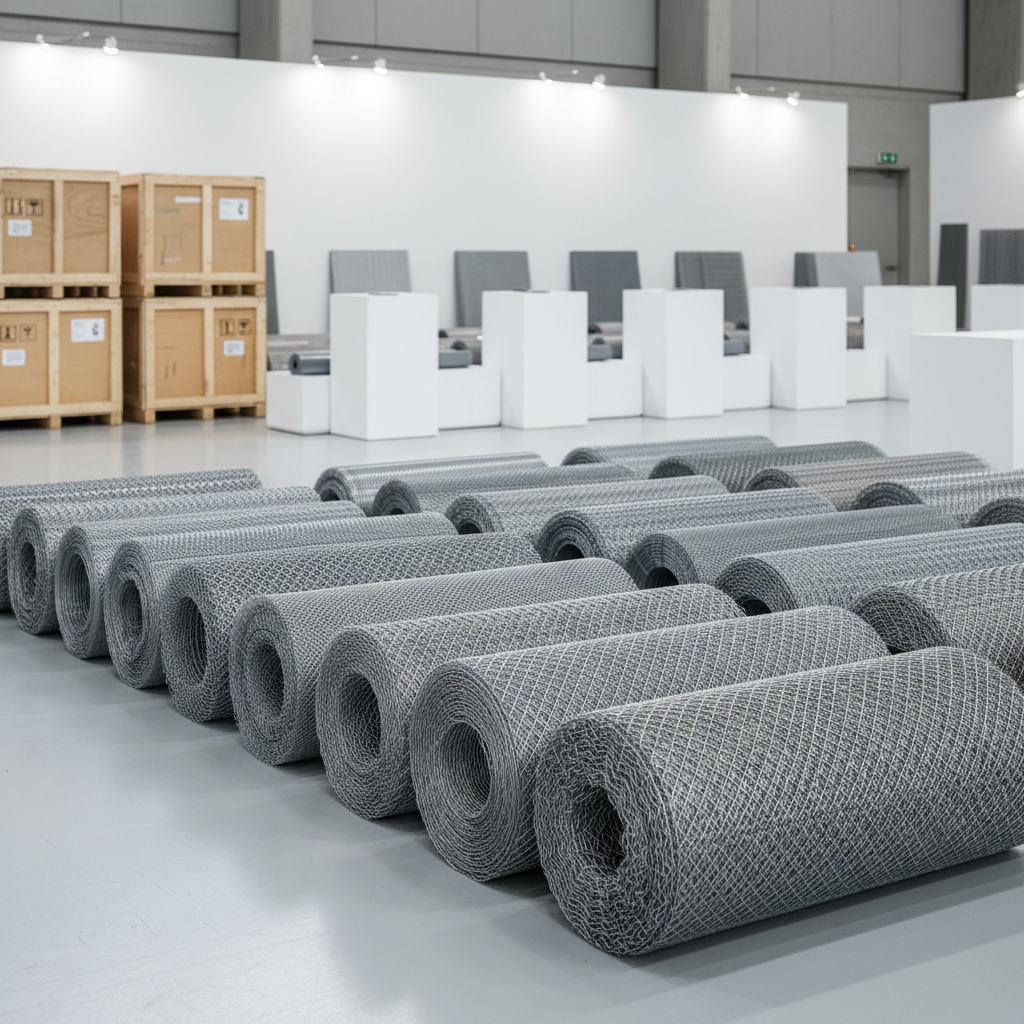
Selecting reliable steel palisade fencing suppliers is a critical decision for facility managers and security engineers who require high-deterrent physical barriers. In the specialized sector of metal wire and fence manufacturing, palisade fencing stands out as a primary choice for securing industrial perimeters, government sites, and high-risk infrastructure due to its structural rigidity and psychological deterrence.
The primary challenge for procurement officers is often balancing the need for extreme security with long-term durability against corrosion. Many buyers struggle to distinguish between standard galvanized finishes and high-performance coatings, leading to premature rust or higher-than-expected maintenance costs in humid or coastal environments.
This analysis provides a comprehensive framework for evaluating supplier capabilities, technical specifications of steel palisade systems, and the practical criteria necessary to ensure a secure, long-lasting installation that meets international safety and quality standards.

Understanding Steel Palisade Engineering

Steel palisade fencing is engineered as a high-security barrier characterized by vertical steel pales held between horizontal rails. Unlike standard wire mesh, the "palisade" design utilizes heavy-duty steel sections—often W-profile or D-profile—which provide exceptional resistance to cutting, climbing, and impact. The pointed tops of the pales create a significant physical and psychological deterrent against unauthorized entry.
From a manufacturing perspective, the integrity of these systems depends on the precision of the pale-to-rail connection. High-quality suppliers utilize specialized welding or bolting techniques to ensure that the fence cannot be easily dismantled. This structural approach makes it a staple in the metal fence manufacturing industry for protecting high-value assets.
Key Material and Coating Specifications
The longevity of a palisade system is directly tied to its anti-corrosion treatment. Steel palisade fencing suppliers typically offer two main types of galvanization: Hot-Dip Galvanizing and Electro-Galvanizing. Hot-Dip Galvanizing is the industry standard for outdoor security, as it involves immersing the steel in molten zinc to create a thick, metallurgical bond that resists rust for decades, even in salty or humid air.
For extreme environments, an additional PVC coating can be applied over the galvanized layer. This dual-layer protection not only increases the corrosion resistance but also allows the fence to blend into the surroundings. When reviewing technical data, buyers should specifically verify the zinc coating thickness (measured in g/m²) to ensure the product meets the environmental demands of the installation site.
Strategic Application Scenarios
The deployment of palisade fencing is typically reserved for areas where security is non-negotiable. Industrial warehouses, utility substations, and military zones frequently utilize these systems because they provide a clear boundary while maintaining visibility for surveillance cameras. The robustness of the steel prevents the fence from being pushed over or breached by vehicles.
In addition to perimeter security, palisade fencing is often integrated with other solutions like barbed wire or razor wire on top to further enhance the anti-climb capability. This layered security approach is common in prisons and airport perimeter zones, where a breach could lead to severe safety risks. Choosing the right pale profile depends on the specific threat level of the location.
Supplier Evaluation Metrics
When comparing steel palisade fencing suppliers, it is helpful to use a normalized scoring system across key procurement dimensions. This allows buyers to move beyond price-only decisions and evaluate the total value and risk associated with different manufacturing sources. The following conceptual framework illustrates the relative importance of different supplier attributes for high-security projects.
As illustrated in the conceptual relative evaluation, Material Certification and Corrosion Protection typically hold the highest weight in the decision process. A supplier who provides verified zinc thickness reports and adheres to international standards (such as ISO9001 or CE) reduces the long-term risk of structural failure and costly replacements.
Avoiding Common Procurement Pitfalls
One of the most frequent mistakes in sourcing palisade fencing is overlooking the "total cost of ownership." While some suppliers may offer lower initial quotes by using thinner steel or inferior electro-galvanizing, the resulting fence may rust within 3-5 years. In contrast, investing in hot-dip galvanized steel ensures a lifespan of 15-25 years, significantly reducing the lifecycle cost.
Another critical pitfall is the failure to specify the fixing method. Bolted systems are easier to install and replace but can be vulnerable to tampering if the bolts are accessible from the outside. Welded systems are more secure but less flexible. Buyers must clearly communicate their security requirements to the supplier to receive the correct configuration of pales and rails.
Installation and Maintenance Logic
Proper installation is as important as the quality of the materials. Steel palisade fencing requires deep, concrete-set posts to withstand the lateral pressure and potential impact of intruders. Suppliers who provide detailed installation guides and technical support help ensure that the fence maintains its structural integrity over time.
Maintenance for galvanized palisade fencing is generally low, but periodic inspections are necessary. Checking for signs of oxidation at the weld points or bolt heads allows for early intervention with cold-galvanizing sprays, preventing rust from spreading. For PVC-coated systems, checking for UV-induced cracking is essential to ensure the inner steel remains protected.
Supplier Selection Decision Framework
To finalize the choice between different steel palisade fencing suppliers, buyers should use a structured comparison based on technical capability and service reliability. This framework helps in categorizing suppliers based on the project's specific needs, whether it is a budget-conscious agricultural boundary or a high-security government installation.
| Supplier Type | Primary Strength | Best Use Case | Main Consideration |
|---|---|---|---|
| High-End Manufacturer | Precision & Certification | Government/Military | Higher Initial Cost |
| Industrial Specialist | Volume & Speed | Warehouses/Factories | Standardization |
| Custom Fabrication Shop | Flexible Design | Unique Site Layouts | Lead Time Variability |
| Budget-Focused Supplier | Low Entry Price | Low-Risk Boundaries | Corrosion Risk |
| Integrated Security Firm | Turnkey Installation | Complex Security Sites | Management Markup |
| Material Export Specialist | Global Logistics | International Projects | Shipping Coordination |
Ultimately, the best supplier is one who aligns their production capabilities—such as laser automatic welding or heavy-duty hot-melt resistance welding—with the specific durability and security requirements of your site. Verification of ISO and CE certifications is a recommended baseline for any industrial-scale procurement.
Frequently Asked Questions
Hot-Dip Galvanizing involves dipping steel into molten zinc, creating a thick, durable layer that provides long-term rust protection (often 15-25 years). Electro-galvanizing uses an electrical process to apply a thinner zinc layer, which is more cost-effective but offers significantly less corrosion resistance, making it suitable only for low-humidity or indoor environments.
W-profile pales offer higher structural rigidity and are harder to bend or climb, making them ideal for high-security perimeters. D-profile pales are slightly more streamlined and are often used for industrial boundaries where high deterrence is needed but extreme anti-ram or anti-climb specs are not the primary requirement.
Yes, palisade fencing can be installed on uneven ground using a "stepping" method, where the rails are installed in steps to follow the slope of the land. Professional suppliers provide guidance on adjusting post heights and rail spacing to maintain a consistent security height across the perimeter.
No, it is not always necessary. Hot-dip galvanizing is sufficient for most industrial uses. However, PVC coating is recommended for sites in highly corrosive environments (coastal areas) or where aesthetic requirements demand a specific color to blend into the landscape.
Look for ISO 9001 certification, which ensures consistent quality management systems, and CE certification, which indicates compliance with European health, safety, and environmental protection standards. Additionally, request a material test report (MTR) to verify the grade of steel used.
Welded systems are generally more secure because they cannot be dismantled with handheld tools. Bolted systems are faster to install and easier to repair, but they can be a security risk if the bolts are not specialized (tamper-proof) or if they are accessible from the unsecured side of the fence.
Conclusion
Establishing a secure perimeter requires a strategic alignment between site-specific threats and the technical capabilities of steel palisade fencing suppliers. By prioritizing hot-dip galvanization for corrosion resistance and selecting the appropriate pale profile for deterrence, facility managers can ensure a balance of high security and low lifecycle maintenance. The key to a successful installation lies in rigorous supplier auditing, focusing on material certifications and manufacturing precision rather than initial price alone.
For organizations seeking professional security solutions tailored to industrial or high-risk environments, detailed product specifications and manufacturing capabilities can be reviewed at www.bjfencepanel.com to ensure the selected system meets international quality and safety standards.