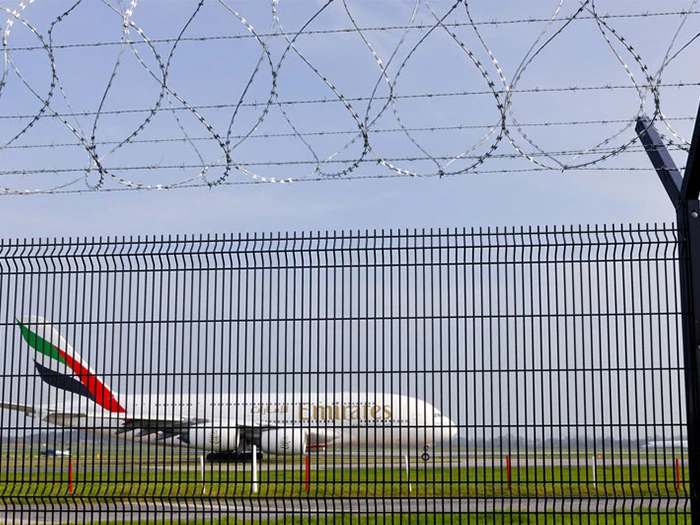
Read More About wire mesh pdf

Industrial Grade wire border fencing Solutions for Libya

Apr . 21, 2026 16:08 Back to list

Industrial Grade wire border fencing Solutions for Libya

Industrial Grade wire border fencing Solutions for Libya

Providing high-durability, corrosion-resistant metal perimeter security tailored for the arid and coastal climates of the Libyan landscape.

Industrial Grade wire border fencing Solutions for Libya

Our engineering approach combines advanced galvanization with structural rigidity to ensure that every installation survives the harsh environmental stressors of Libya, from salt spray in Tripoli to desert sands in Benghazi.

{Product List Placeholder 1}

Security Infrastructure Landscape in Libya

Analyzing the intersection of geopolitical needs and environmental challenges in the metal fencing sector.

The current state of metal fencing in Libya is characterized by a high demand for security-grade installations. Due to the volatile geopolitical history, there is a critical need for perforated fence systems that balance visibility with physical deterrence for government and commercial sites.

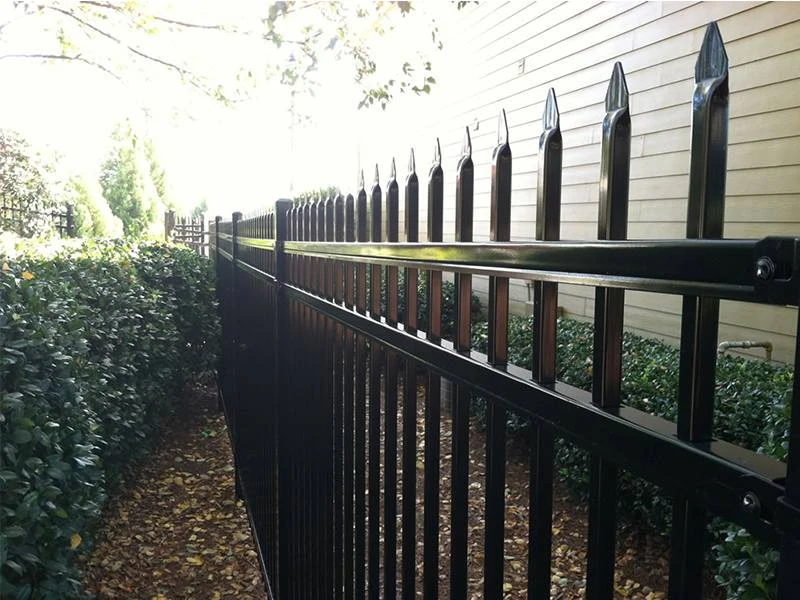
Climatically, the region presents a dual challenge: extreme UV exposure and high salinity near the Mediterranean coast. This leads to rapid oxidation of standard steel, making hot-dip galvanized and powder-coated black metal flat railing panel options increasingly popular for their longevity and aesthetic versatility.

Furthermore, the agricultural sector in Libya is shifting toward modern livestock management. This has spiked the demand for specialized barriers, where the process of building a hog wire fence is becoming a standard for protecting high-value livestock from predators and desert encroachment.
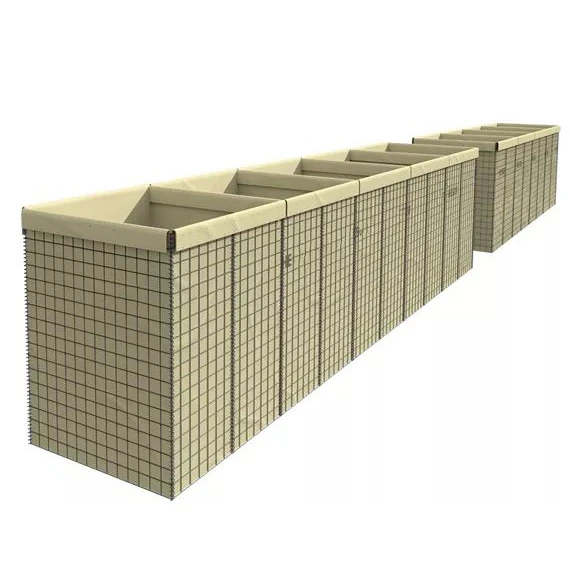
Evolution of Libyan Metal Fencing Technology

From basic wrought iron to precision-engineered modular security systems.

Market Development History

In the late 20th century, Libya relied heavily on manual welding and basic iron bars. Fencing was primarily utilitarian, focusing on basic boundaries with little regard for coating technology, leading to frequent replacements due to rust.

Between 2005 and 2015, the market saw an influx of imported prefabricated panels. The introduction of the curved metal fence allowed for more complex architectural integration in urban development projects in Misrata and Tripoli.

Since 2018, the focus has shifted toward "Smart Security." Current trends emphasize modularity and high-tensile strength, ensuring that border and perimeter fences can be deployed rapidly and maintained with minimal effort in remote desert areas.

Future Development Trends

Hybrid Coating Systems

Integration of nano-ceramic coatings over traditional galvanization to resist the abrasive nature of blowing desert sand.

Modular Rapid Deployment

A shift toward interlocking panel systems that reduce on-site welding, cutting installation time by 40% for large-scale border projects.

Sustainable Material Sourcing

Increased adoption of recycled high-strength steel to lower the carbon footprint of infrastructure projects across the North African region.

Industry Outlook and Technological Projection

Anticipating the shift toward high-efficiency and low-maintenance metal barriers.

Anti-Corrosion Leap
Adoption of ZAM (Zinc-Aluminum-Magnesium) coatings to survive Libya's extreme coastal humidity.
Automated Fabrication
CNC precision cutting for complex designs, ensuring zero-tolerance fitment for security panels.
Smart Integration
Integrating sensor-ready mounting points for electronic surveillance on border fences.
Thermal Resistance
Developing specialized powder coatings that do not peel or fade under 50°C+ desert heat.

Industry Outlook

Based on Google search trends for "industrial security" and "perimeter protection" in North Africa, we anticipate a 15% annual growth in demand for high-tensile metal barriers. The focus is shifting from simple ownership of land to the active protection of industrial assets.

As Libya continues its reconstruction phase, the integration of aesthetic appeal—seen in the rise of architectural railing—will merge with security needs, creating a market for hybrid products that are both beautiful and impenetrable.

Localized Application Scenarios in Libya

Real-world implementations of metal wire products across diverse Libyan terrains.

01. Oil & Gas Facility Perimeters

Utilizing high-security wire border fencing with anti-climb features to protect critical energy infrastructure from unauthorized access in the Sirte Basin.

02. Coastal Residential Villas

Installing black metal flat railing panel systems in Tripoli's luxury districts, providing a modern look while resisting salt-air corrosion.

03. Desert Livestock Ranching

Implementing the strategy of building a hog wire fence to create durable paddocks for livestock that can withstand wind-blown debris and animal impact.

04. Urban Commercial Plazas

Applying curved metal fence designs to guide pedestrian traffic and secure outdoor dining areas in Benghazi's growing commercial centers.

05. Industrial Ventilation Areas

Installing perforated fence panels around HVAC and generator units to ensure airflow while preventing tampering in industrial zones.

Brand Story

Global Development History of Hebei Bangjun Metal Products Co., Ltd.

Foundational Excellence

Established with a focus on metallurgy, we began by solving the fundamental problem of weld-point failure in industrial wire mesh.

Technological Pivot

We transitioned to automated hot-dip galvanizing, ensuring our products could withstand the most corrosive environments on earth.

Global Expansion

Expanding into the African market, we tailored our designs to meet the specific security and climatic needs of the MENA region.

Innovation Milestone

Launched the modular railing series, blending architectural aesthetics with industrial-grade security for urban development.

The Future Vision

Committed to providing zero-maintenance fencing solutions that empower global infrastructure growth and safety.

Comprehensive Metal Security Portfolio for Libya

From heavy-duty industrial borders to elegant architectural railings.

{Product List Placeholder 2}

Common Questions on Libyan Fencing Projects

Expert answers to technical challenges in metal wire installation.

What is the best coating for a perforated fence in coastal Libya?

For coastal areas like Tripoli, we recommend a dual-layer approach: hot-dip galvanization followed by a UV-resistant powder coating to prevent salt-induced corrosion.

How long does wire border fencing last in desert environments?

With our industrial-grade galvanization, our fencing typically lasts 20-30 years in arid environments, provided the coating isn't mechanically damaged by sandstorms.

Can I customize the design of a black metal flat railing panel?

Yes, we offer full CNC customization for dimensions, picket spacing, and top-rail profiles to match your architectural requirements.

What tools are needed when building a hog wire fence in remote areas?

Basic requirements include a heavy-duty post driver, tensioning tools, and galvanized fasteners. We provide installation guides for remote site deployment.

Are curved metal fence panels more expensive to install?

While the fabrication is more complex, our modular curved panels are designed for easy interlocking, keeping installation costs comparable to straight sections.

Which fence type is best for high-wind areas in the Libyan interior?

We recommend perforated designs or open-wire meshes as they reduce wind load (wind resistance), preventing the fence from leaning or collapsing during storms.

Secure Your Perimeter Today

Get expert consultation for your industrial and residential metal fencing projects in Libya.

Contact Us Now

Share
Perv:
Next:
Contact us
If you are looking for a reliable supplier of high-quality wire mesh products, we can provide customized solutions, competitive factory prices, and full sample support—feel free to contact us for a tailored quotation.
  • *
  • *
  • *
  • *

If you are interested in our products, you can choose to leave your information here, and we will be in touch with you shortly.